
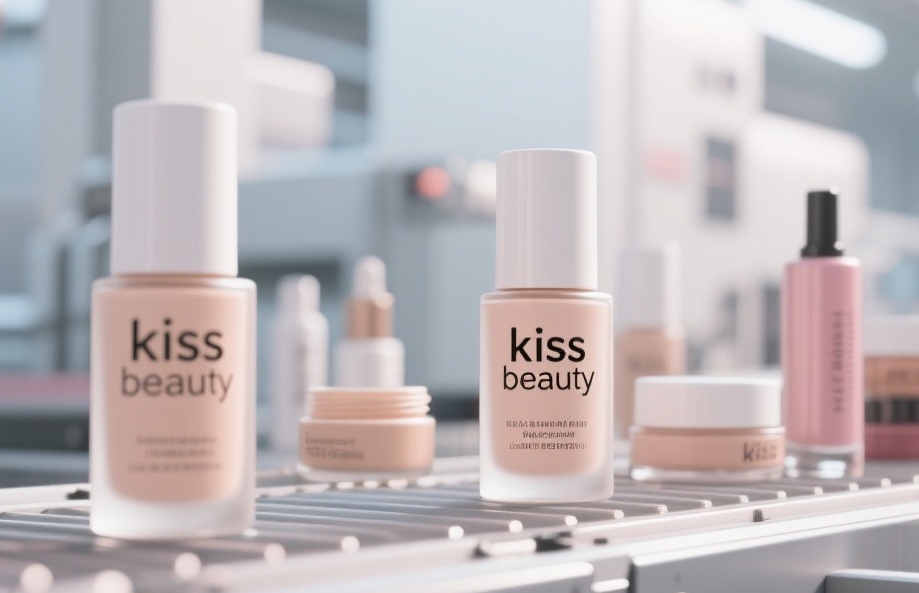
Cosmetic manufacturing budget planning is not easy when entering the realm of manufacturing on a large scale. When dealing with factory quotations, one needs to know the cost factors for cosmetic products, which include bulk ingredients, packaging, testing, labor, sampling, and logistics, among others. Being knowledgeable about these cost drivers allows brands to control the total cost of cosmetic product development.
Yingji Cosmetic: Global Beauty Manufacturing Specialists
Yingji Cosmetic is a competent cosmetic contract manufacturer that manufactures both OEM and ODM projects for a variety of beauty products.
- Decades of Industry Leadership: Founded in 1990, operating from a 30,000+ sqm state-of-the-art manufacturing plant with more than 400 workers.
- Worldwide Footprint: Global OEM/ODM partner with exports of cosmetics going to all corners of Europe, America, Southeast Asia, and the Middle East.
- Certified Quality Standards: ISO9001 and ISO22716 (GMP) certified, with own in-house R&D laboratories and testing labs for controlled cosmetic product development costs and production.
The 4 Core Cost Pillars of Cosmetic Production
Every manufacturing quotation rests on several foundational cost components. Understanding these pillars gives brands a clearer cosmetic product cost breakdown and helps them see where each part of the cosmetic manufacturing budget is allocated.
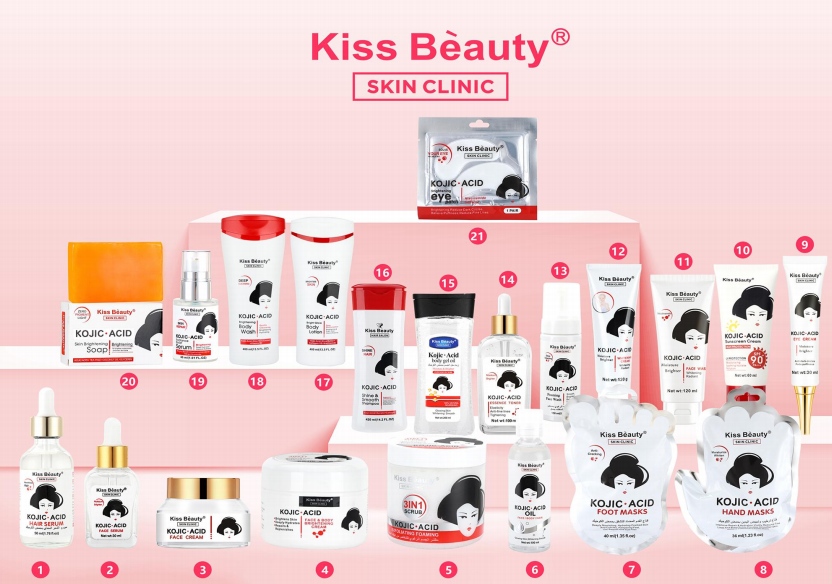
Pillar 1: Bulk Formula & Cosmetic Raw Material Costs
The liquid, cream, powder, or paste inside the container represents the core functional value of the finished product.
- Raw Material Tiering: Cosmetic raw material cost varies according to ingredient purity, active concentration, origin, certification, and formulation complexity. Basic formulas generally cost less than products containing higher-value actives or specialty ingredients.
- Formulation Path: A cosmetic formula development cost is incurred when creating customized formulas from scratch. Using an existing factory formula can reduce the initial cosmetic product development cost and shorten development timelines.
Pillar 2: Primary Packaging & Custom Tooling Dynamics
Primary packaging holds the product formula inside. This choice affects daily use and the way the brand appears to customers.
- Stock vs. Custom Containers: Picking standard packaging keeps cosmetic packaging costs more steady. The reason is that common bottles, tubes, jars, and pumps skip any new tooling steps.
- Tooling Investments: Special bottle forms or caps drive up custom cosmetic packaging costs. Makers must finish molds, test runs, and checks ahead of mass output.
Pillar 3: Secondary Packaging & Box Structural Engineering
Secondary packaging provides shelf presentation, transit protection, and space for required product information.
- Paper Stock and Embellishments: Standard folding cartons generally keep cosmetic packaging cost under control, while foil stamping, embossing, specialty coatings, inserts, and premium materials raise per-unit costs.
- Transit Integrity: Outer cartons and dividers help protect finished products during shipping and should be included in the full cosmetic product cost breakdown rather than treated as an afterthought.
Pillar 4: Cosmetic Testing, Labor, and Production Setup
Every finished product also carries essential setup, quality verification, and production-related expenses.
- Line Clearance and Setup: Each batch incurs a cosmetic production setup cost because mixing vessels, filling equipment, and packaging lines must be cleaned, prepared, and adjusted for the specific product.
- Quality Assurance & Testing: Cosmetic testing costs may include microbiological testing, stability testing, packaging compatibility evaluation, and other market- or product-specific assessments.
Smart Budget Optimization: Where You Can Safely Save
Lowering your private label cosmetics startup cost does not necessarily mean reducing product quality. Careful decisions around packaging, formulation route, and order size can optimize capital allocation.
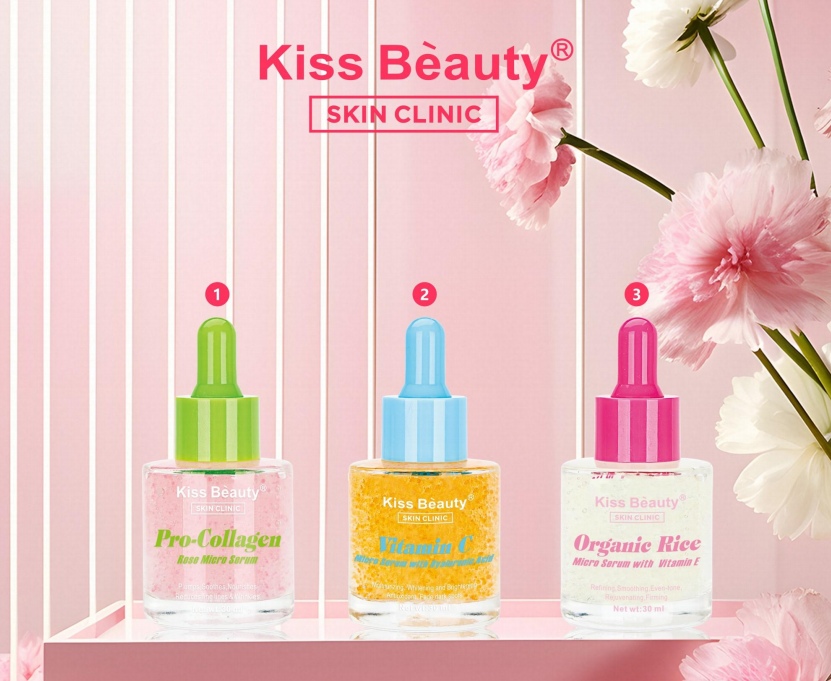
Standardizing Packaging Molds vs. Custom Tooling Investments
Newer brands can create a differentiated appearance without immediately investing in proprietary molds.
- Leveraging Factory Stock Molds: Using existing packaging for products such as Lip Oil or Foundation eliminates much of the upfront custom cosmetic packaging cost and can reduce cosmetic sampling cost.
- Customizing via Surface Decoration: Color spraying, silk-screen printing, foil decoration, labeling, and customized caps can create a distinctive appearance while maintaining a more manageable cosmetic packaging cost.
Balancing OEM vs ODM Cosmetic Costs for Startup Scale
Selecting the right manufacturing route directly affects the cosmetic product development cost, development speed, and initial financial commitment.
| Feature | OEM | ODM |
| R&D Cost | Higher (Custom development) | Lower (Pre-formulated library) |
| Time to Market | 6 – 9 Months | 2 – 3 Months |
| Upfront Sampling | Multiple iteration fees | Fast, pre-validated samples |
| Ideal Brand Phase | Established unique IP lines | Emerging / Rapid scale line |
Evaluating OEM vs ODM cosmetics cost helps brands determine whether they need a fully customized formula or can adapt an existing factory solution.
Critical Boundaries: Where You Should Never Cut Costs
Reducing costs in formula stability, preservation, or safety testing can create larger financial risks later.
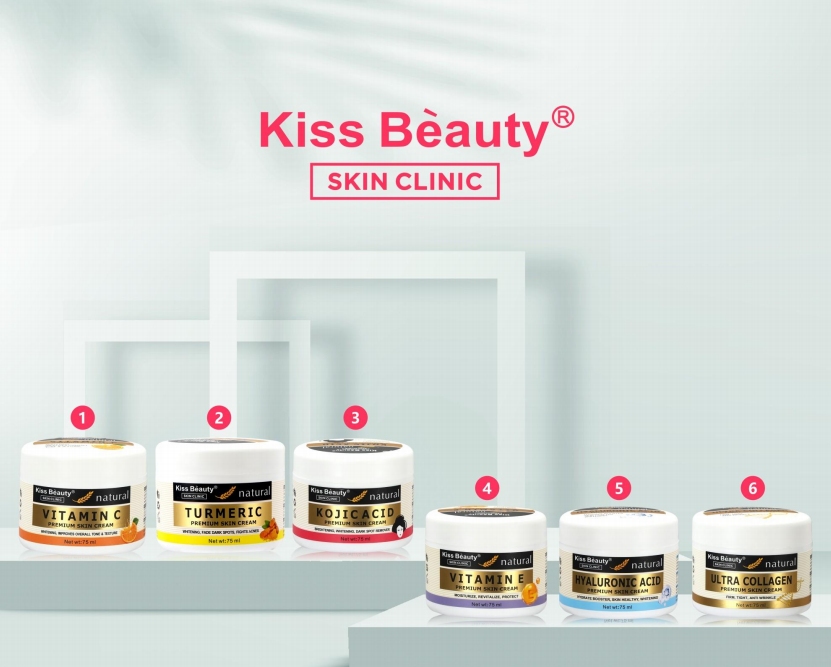
Active Ingredient Concentrations & Performance Stability
Reducing important functional ingredients purely to lower cosmetic raw material cost may negatively affect the intended product positioning.
- Maintaining Active Percentages: Hero skincare products often depend on specific active levels to meet their formulation goals.
- Batch Consistency: Suitable emulsifiers, stabilizers, and processing controls help maintain texture, appearance, and repeatability across production batches.
Preservative Efficacy & Safety Compliance Standards
Preservation and compatibility work should remain part of the core cosmetic testing cost rather than being removed to meet a lower quotation.
- Broad-Spectrum Protection: Water-based formulas require suitable preservation systems according to the product type and target market.
- Compatibility Testing: Formula-packaging compatibility testing helps identify potential leakage, discoloration, swelling, or material interaction before mass production.
Strategic Manufacturing Partnership & Total Landed Cost
Calculating the full investment requires looking beyond ex-factory production cost. A professional cosmetic contract manufacturer should help brands understand how production, packaging, testing, and logistics contribute to the final budget.
Calculating Total Landed Cost for Seamless Global Distribution
A realistic total landed cost cosmetics calculation includes not only manufacturing but also freight, insurance, duties, warehousing, and destination charges.
- Freight & Import Expenses: EXW or FOB quotations do not represent the complete total landed cost cosmetics figure, because international logistics and local import expenses still need to be added.
- Managing Order Volumes: Meeting the appropriate private label cosmetics MOQ can reduce per-unit costs by spreading raw material purchasing, cosmetic production setup cost, and packaging setup expenses across a larger production run.
Partnering with Yingji Cosmetic for Value-Driven OEM/ODM Execution
Working with an experienced cosmetic contract manufacturer provides greater visibility into development, production, and packaging expenses.
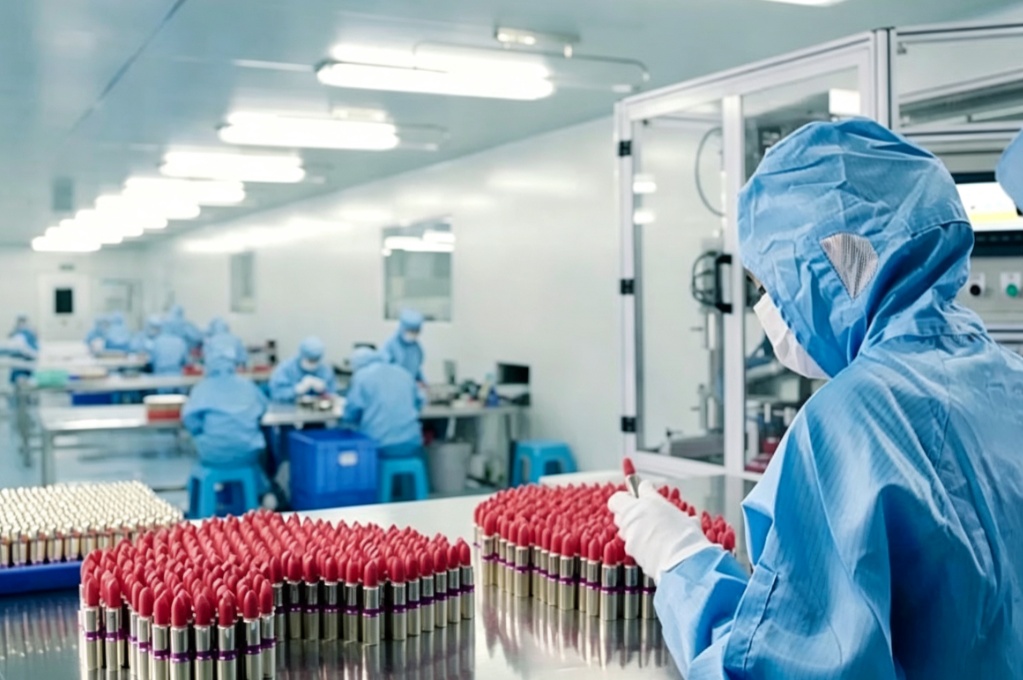
- Turnkey Manufacturing Support: Yingji Cosmetic supports formula development, packaging procurement, filling, assembly, and export coordination under one manufacturing workflow.
- Scalable Production Facilities: Automated production supports categories including Sunscreen Cream, Mascaras, lip care, skincare, and other beauty products.
Ready to optimize your cosmetic manufacturing budget and understand your full cosmetic product cost breakdown? Contact Yingji Cosmetic today to discuss your cosmetic product development cost, private label cosmetics MOQ, sampling requirements, and production plan.
FAQ
Q: What is the main difference between OEM and ODM cosmetic manufacturing costs?
A: OEM vs ODM cosmetic costs mainly differ in development depth. OEM projects often involve higher cosmetic formula development costs, cosmetic sampling costs, testing, and packaging customization, while ODM can use existing formulas to reduce upfront development expenses.
Q: How do Minimum Order Quantities affect per-unit cosmetic manufacturing costs?
A: A higher private label cosmetics MOQ spreads fixed expenses such as cosmetic production setup cost, line clearance, bulk mixing, and packaging setup across more units, which can reduce the per-unit cost.
Q: What hidden fees should brand owners watch for in factory quotations?
A: Common overlooked items include cosmetic testing cost, cosmetic sampling cost, secondary packaging assembly, custom printing setup, mold charges, freight, palletization, and other expenses that affect total landed cost of cosmetics.
Q: Can a brand customize factory stock packaging on a tight budget?
A: Yes, since customizing colors, printing, foiling, labels, or closures when using standard bottles or jars will help keep costs down for custom cosmetic packaging while ensuring differentiated branding.