
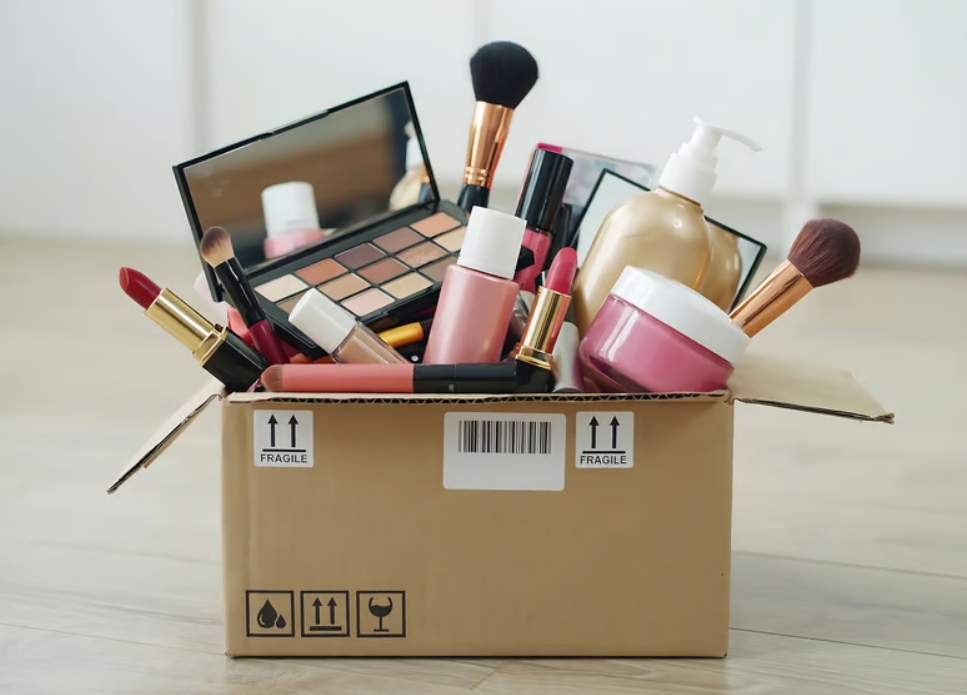
Global cosmetic brand owners and supply chain directors face mounting volatility in cross-border operations. From fluctuating raw material availability and extended freight timelines to stringent international regulatory shifts, securing product availability while preserving formula stability requires a proactive skincare supply chain management framework. Effective overseas skincare sourcing depends on coordinated raw material procurement, packaging validation, production planning, and cosmetic supply chain risk management.
Yingji Cosmetic: Your Premier Global Beauty Partner
As an experienced skincare contract manufacturer China, Yingji Cosmetic delivers turnkey OEM/ODM solutions designed to streamline international procurement, support private label skincare sourcing, and strengthen cosmetic supply chain resilience.
- Established Heritage: Founded in 1990 in Shantou, China, combining decades of formulation expertise with advanced automated production lines.
- Global Footprint: Delivers cosmetic solutions to partners across more than 80 countries and regions worldwide, supporting brands with complex overseas skincare sourcing requirements.
- Diverse Brand Portfolio: Owns and operates beauty lines including Kiss Beauty, Karite, and Kiss Beauty Skin Clinic.
Mitigating Raw Material Volatility and Active Instability
Securing suitable active ingredients and maintaining formula stability over extended supply routes is a primary challenge in overseas skincare sourcing. Strong cosmetic raw material sourcing procedures help brands reduce risks linked to ingredient shortages, quality variation, and unstable actives.
Advanced Cosmetic Raw Material Sourcing and Microencapsulation
Combining controlled cosmetic raw material sourcing with formulation technology helps maintain product consistency across international logistics channels.
- Targeted Active Delivery: Utilizing Microencapsulation Technology, selected ingredients can be enclosed within protective delivery systems to improve formulation stability and controlled release.
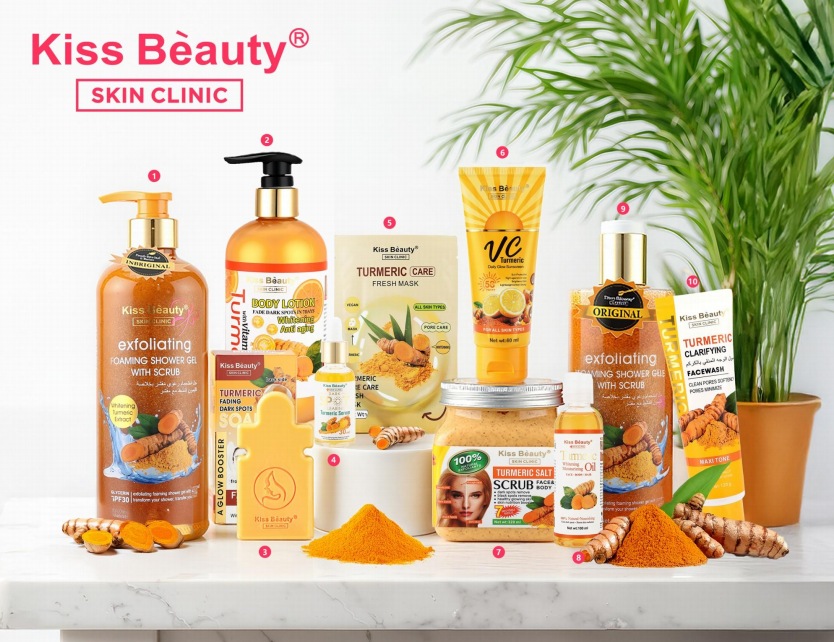
- Stable Active Performance: In products such as the Kiss Beauty SKINCLINIC VC Serum and Turmeric Serum, stabilization strategies can be incorporated according to the characteristics of Vitamin C, turmeric-derived ingredients, and the finished formula.
- Vetted Material Sourcing: Structured cosmetic raw material sourcing procedures verify specifications, ingredient documentation, and batch-level quality before production begins.
Reliable material planning is an important part of cosmetic supply chain risk management, particularly when brands depend on imported actives or ingredients with longer procurement cycles.
Preventing Formula and Packaging Compatibility Failure
Incompatibility between skincare formulas and primary packaging can lead to leakage, discoloration, viscosity changes, or container damage during long-distance shipping. Managing the cosmetic packaging supply chain therefore requires technical validation before mass production.
Rigorous Testing Across the Cosmetic Packaging Supply Chain
Systematic packaging evaluation helps protect products as they move through the cosmetic packaging supply chain and across different climatic conditions.
- Accelerated Stress Testing: Bottle-and-formula combinations can undergo stability, temperature, leakage, and compatibility evaluations to confirm formula-packaging compatibility.
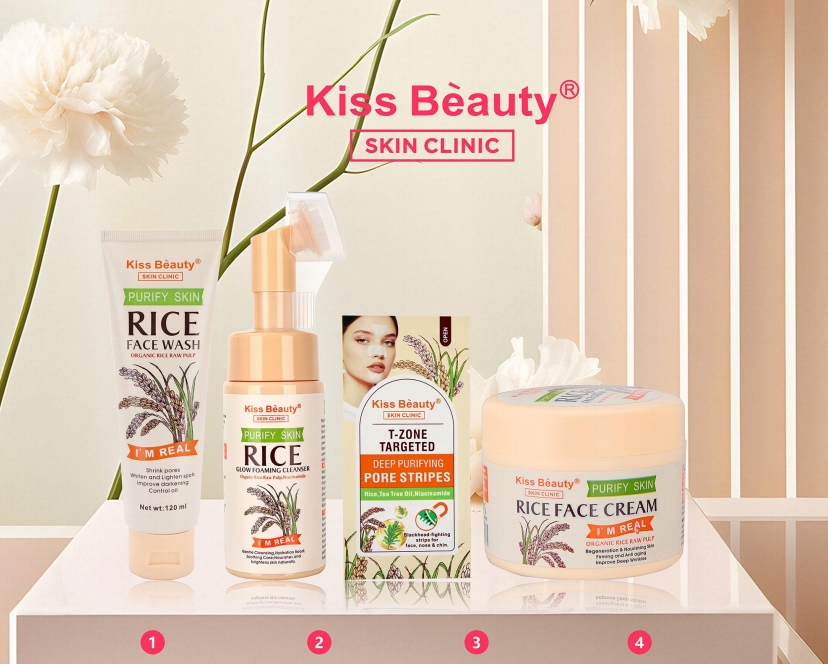
- Protective Packaging Design: For products such as the Kiss Beauty SKINCLINIC Rice Cream, packaging selection should consider formula characteristics, closure performance, light exposure, and consumer use.
- Physical Integrity Assurance: Outer cartons and transport packaging help protect liquid and emulsion products against vibration and handling stresses during overseas shipping.
Strong formula packaging compatibility testing can reduce avoidable cosmetic shipping risks while improving finished-product stability during distribution.
Optimizing Production Schedules and Skincare Batch Consistency
Unpredictable production schedules and variable manufacturing quality can lead to inventory shortages or rejected products. Effective skincare supply chain management must balance manufacturing flexibility with repeatable skincare quality control procedures.
Standardized Quality Control and Flexible Lead Time Management
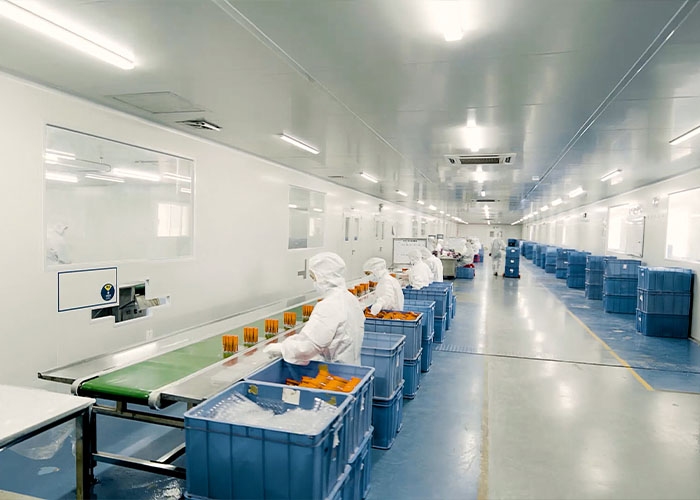
Integrated production protocols help maintain skincare batch consistency while controlling skincare production lead time.
- ISO 22716 Manufacturing: Structured manufacturing and laboratory procedures support microbiological, physical, and chemical testing as part of routine skincare quality control.
- Strict Batch Consistency: Standardized emulsification, blending, filling, and inspection procedures help maintain skincare batch consistency between initial production and repeat orders.
- Tailored Production Scheduling: Appropriate private label skincare MOQ planning allows brand managers to align order volumes with demand forecasts and inventory strategy, helping manage skincare production lead time.
For private label skincare sourcing, brands should evaluate private label skincare MOQ, production scheduling flexibility, packaging availability, and repeat-order capacity together rather than focusing only on unit price.
Navigating International Compliance and Overseas Shipping Risks
Cross-border customs requirements, regulatory differences, and freight disruptions are central concerns in cosmetic supply chain risk management. Poor cosmetic regulatory compliance or incomplete product documentation can delay market entry and increase logistics costs.
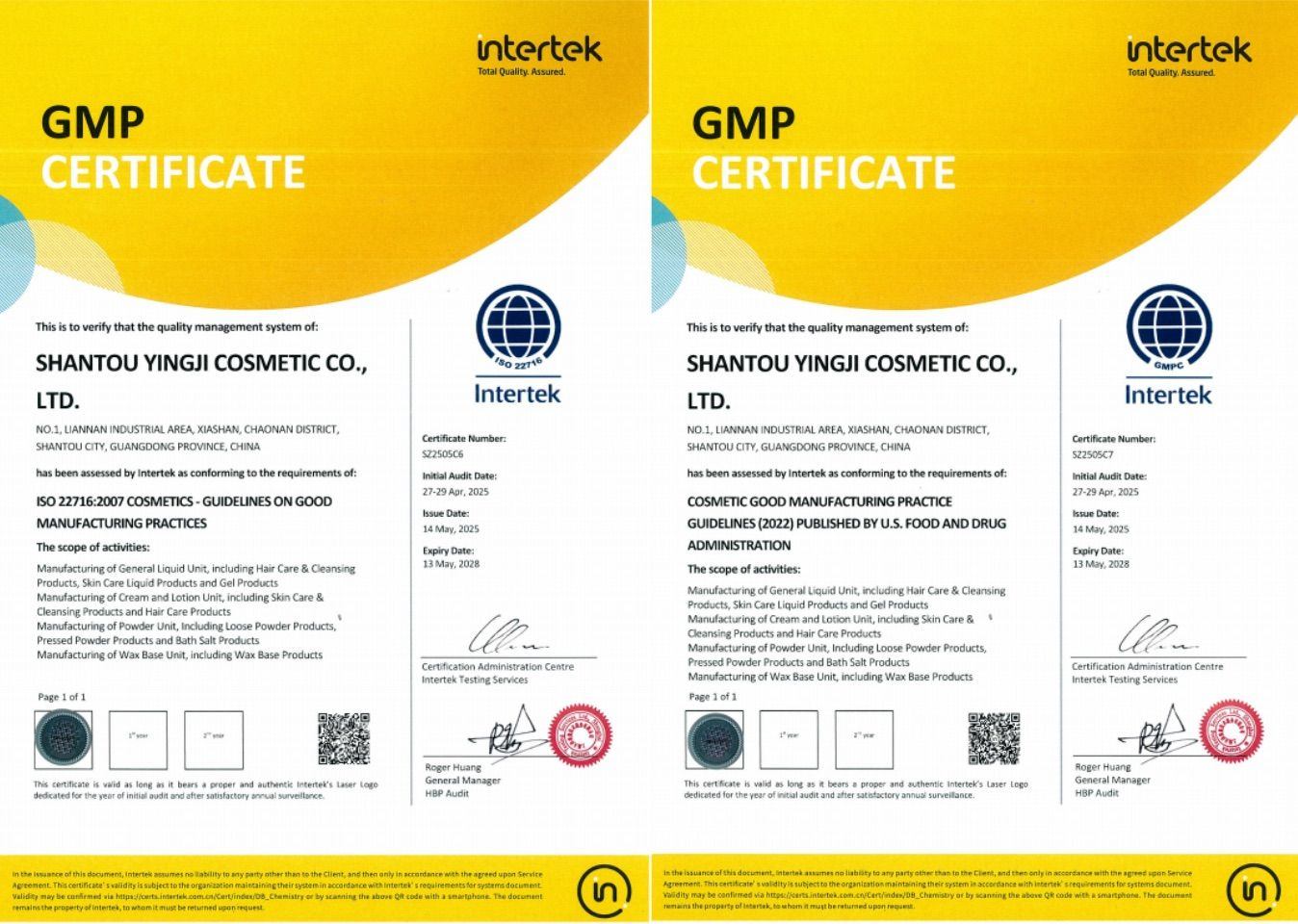
Turnkey Regulatory Filing and Freight Risk Mitigation
Regulatory coordination and freight planning build cosmetic supply chain resilience from factory to destination market.
- Regulatory Support: Compliance teams handle ingredient documentation, labeling review, and market-specific cosmetic regulatory compliance requirements for the destination country.
- Buffer Inventory & Traceability: Material tracking along with inventory planning cuts shortages and keeps skincare batch consistency steady when demand shifts quickly.
- Freight Risk Reduction: Coordinated logistics planning, shipment tracking, suitable transport conditions, and customs documentation cut cosmetic shipping risks.
International brands gain when skincare supply chain management links cosmetic regulatory compliance, inventory planning, documentation, packaging, and freight instead of handling them separately.
Secure Your Skincare Supply Chain Today
Partnering with a technically capable skincare contract manufacturer China can help brands strengthen cosmetic supply chain resilience and simplify private label skincare sourcing. Yingji Cosmetic provides OEM/ODM manufacturing support covering formulation development, production, packaging coordination, quality management, and international project support.
- Custom Microencapsulation Systems: Formulation technologies can be evaluated for sensitive or unstable actives according to specific product requirements.
- Tailored Formulation R&D: The R&D team develops customized OEM/ODM formulas according to product positioning, target markets, ingredient requirements, and cosmetic regulatory compliance considerations.
- Comprehensive Packaging Validation: Packaging evaluation supports formula packaging compatibility and helps reduce leakage, material interaction, and transport-related problems.
- In-House Quality Testing: Laboratory testing and manufacturing controls support skincare quality control and repeatable skincare batch consistency.
Ready to streamline your private label skincare sourcing and manage skincare production lead time more effectively? Contact Yingji Cosmetic Today to discuss your formula, private label skincare MOQ, packaging requirements, and production roadmap.
FAQ
Q: What are the main risks during overseas skincare sourcing?
A: Common overseas skincare sourcing risks include raw material shortages, formula instability, packaging incompatibility, inconsistent production, regulatory changes, and cosmetic shipping risks. A coordinated cosmetic supply chain risk management process helps address these issues before mass production.
Q: How can beauty brands verify formula packaging compatibility before full-scale manufacturing?
A: Brands should evaluate formula packaging compatibility through appropriate stability, leakage, temperature, and material interaction testing before finalizing the cosmetic packaging supply chain.
Q: What steps can help reduce skincare production lead time without compromising quality control?
A: Accurate forecasts help teams plan ahead. Confirm packaging details early to avoid delays. Work with reliable cosmetic raw material sourcing partners. Set realistic private label skincare MOQ targets from the start. Apply standardized skincare quality control checks throughout production. These actions together shorten skincare production lead time.
Q: How do cosmetic contract manufacturers support global regulatory compliance?
A: A capable skincare contract manufacturer China prepares ingredient records and label details. They compile full product files and align them with market-specific cosmetic regulatory compliance rules for the target country.
Q: Why is skincare batch consistency important for private label skincare sourcing?
A: Strong skincare batch consistency keeps texture, appearance, and filling performance steady across orders. This reliability supports smooth private label skincare sourcing and builds lasting cosmetic supply chain resilience over repeated production runs.