
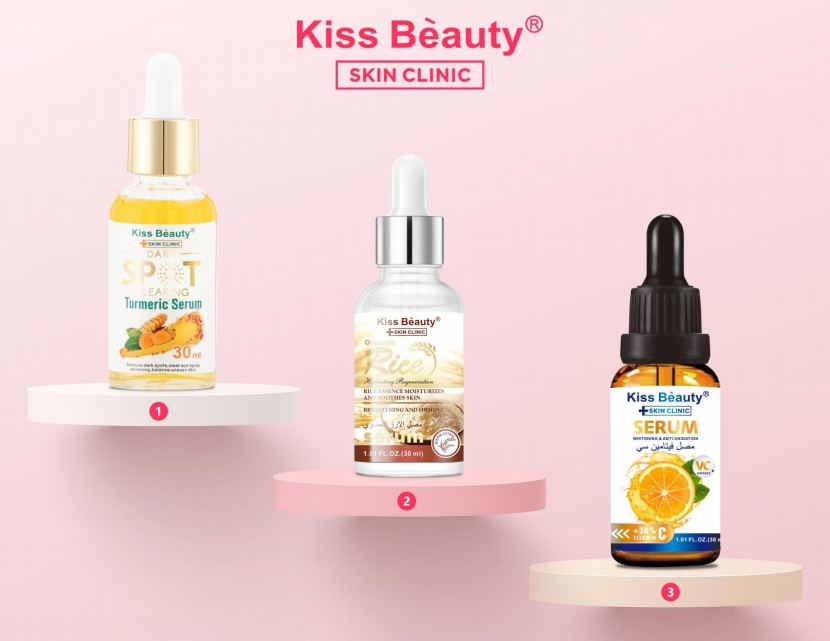
Developing a commercial-grade Vitamin C serum is one of the toughest tasks in cosmetic manufacturing today. A robust vitamin C serum requires control of moisture, oxygen, light, temperature, pH, and packaging during both product development and production. L-ascorbic acid is prone to breakdown, resulting in discoloration, changes in odor, and poor performance of the actives.
Faster Discoloration: An unbuffered aqueous system will experience faster oxidation of vitamin C serum due to repeated contact with oxygen.
Lack of Potency: Oxidation of ascorbic acid results in degradation of L-ascorbic acid into unstable oxidation products.
Scale-Up Problems: A vitamin C serum formula may exhibit different behavior during scale-up because of the increased air content, longer transfer times, and greater holding volume.
To effectively overcome these hurdles, there must be a competent manufacturing partner for the beauty brand. Yingji Cosmetic provides all the services required for the development of an OEM vitamin C serum.
Chemical Mechanisms of Vitamin C Degradation & Derivative Selection
Understanding ascorbic acid degradation is fundamental to effective vitamin C oxidation prevention. Oxygen, light, water, temperature, and metal ions can all influence the stability of Vitamin C systems. Selecting the appropriate active is therefore the first step toward a stable vitamin C serum formulation.

L-Ascorbic Acid vs. Stable Vitamin C Derivatives
The decision to go with either pure L-Ascorbic Acid or derivatives will greatly influence the product’s shelf life, formulation difficulty, pH range, and processing environment.
Pure L-Ascorbic Acid: Provides good activity but necessitates strict monitoring of the stability of ascorbic acid in aqueous systems.
3-O-Ethyl Ascorbic Acid: A modified derivative of ascorbic acid used for formulations requiring higher formulation stability.
Sodium Ascorbyl Phosphate (SAP) & Magnesium Ascorbyl Phosphate (MAP): Water-soluble derivatives of vitamin C which can be formulated under higher pH compared to pure L-ascorbic acid systems.
Tetrahexyldecyl Ascorbate (THD): Lipid-soluble derivative of vitamin C, can be formulated into oil-containing or anhydrous formulations.
In formulating vitamin C serums for an OEM, it will greatly depend on the claims to be made about the product, the texture, target audience, and product packaging.
Advanced Delivery Technologies: Microencapsulation and Liposomes
Carrier systems with advanced technology may provide means for protecting actives from degradative influences of the environment.
Microencapsulation Technology: Microencapsulation may decrease the interaction of vitamin C with oxygen, thus preventing its oxidation.
Liposomal Carrier Systems: Phospholipid carriers may be used to incorporate actives into a certain delivery system, which will protect vitamin C from oxidation in the serum.
Precise pH Control and Buffer Systems in Mass Production
Long-term vitamin C serum stability depends heavily on the chemical environment of the formula. Careful control of vitamin C serum pH is especially important because pure ascorbic acid and different vitamin C derivatives have different preferred operating ranges.
Optimizing Active Window and Skin Barrier Tolerance
An appropriate pH of the Vitamin C serum allows balancing the factors of chemical stability, product efficacy, and skin compatibility.
Target pH Range: While pure L-ascorbic acid products usually require a pH that is on the acidic side, stable derivatives are generally formulated using a higher pH.
Inclusion of Chelating Agents: Metal ions increase oxidation; therefore, their removal using chelating agents is considered one way of preventing oxidation.
Synergy of Antioxidants: A combination of Vitamin C with antioxidants like Tocopherol or Ferulic Acid could make the antioxidant system more efficient.
It is necessary to measure pH when formulating and storing the commercial version of a Vitamin C serum.
Formula Scale-Up: Maintaining Batch-to-Batch Consistency
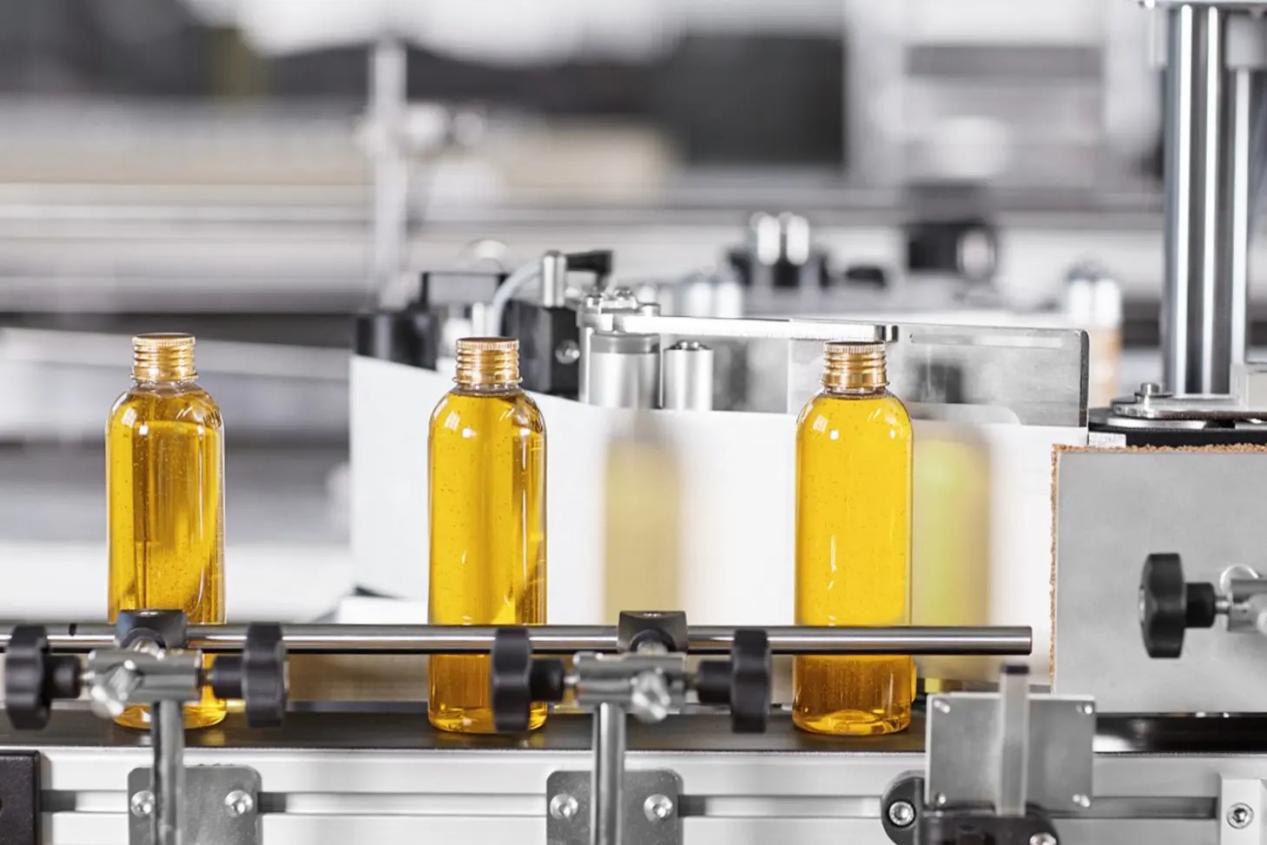
Formula scaling is an essential phase since processing conditions vary greatly from the lab to the factory floor. Consistency of batches requires precise regulation of mixing, oxygen exposure, holding, temperature, and filling processes.
Closed-Vacuum Emulsification: Vacuum processes may minimize air entrapment in mixing processes, which will aid in the prevention of vitamin C oxidation in the formula scaling process.
Nitrogen Purging: Nitrogen may be used in tanks or filling systems where minimizing oxygen exposure is a requirement.
Automated Inline pH Measurement: Regular pH testing is useful in maintaining consistent vitamin C serum pH in batches.
Consequently, successful formula scaling links laboratory formulation with repeatable manufacturing processes to ensure stability and consistency of vitamin C serum.
Dark Bottle Packaging & Packaging Compatibility Testing
Even a carefully designed formula can lose stability if the primary package allows excessive light or oxygen exposure. Appropriate vitamin C serum packaging is therefore an important part of the overall stabilization strategy.
Protective Packaging Solutions: Dark Glass & Ampoule Vials
Choosing vitamin C serum packaging requires balancing barrier performance, dispensing convenience, aesthetics, and compatibility with the formula.
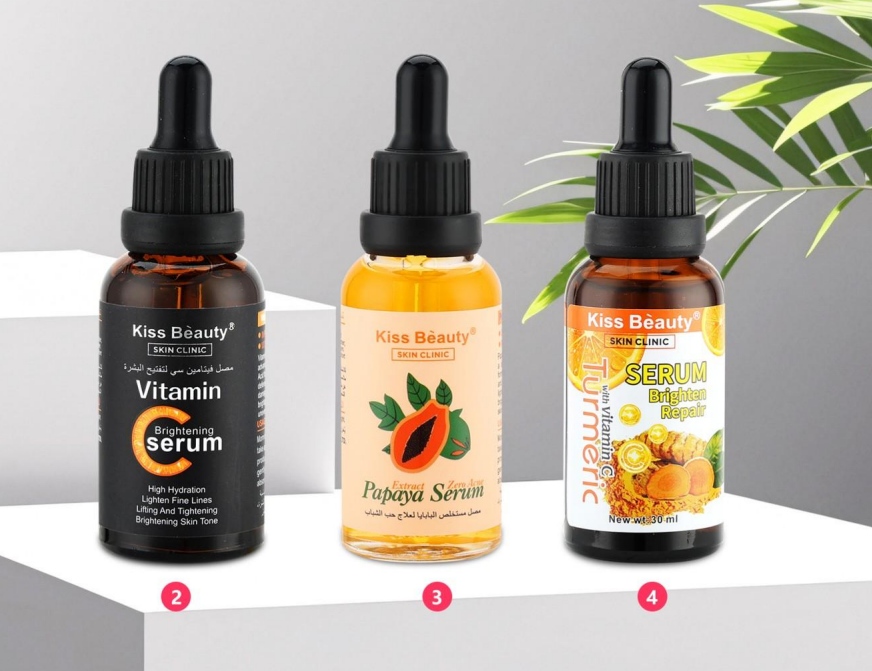
Amber & Opaque Glass Bottles: Dark packaging can reduce light exposure and support improved vitamin C serum stability.
Airless Pump Containers: Airless systems can reduce repeated air entry during consumer use, helping limit vitamin C serum oxidation.
Single-Use Sealed Vials: Individual-dose packaging can minimize repeated opening and closing. Yingji Cosmetic’s Vitamin C & Niacinamide Serum Vials provide one format that may be considered for this type of OEM vitamin C serum project.
Rigorous Packaging Compatibility Testing Protocols
Before commercial release, packaging compatibility testing should confirm that the selected container performs properly with the formula over time.
Accelerated Thermal Stability: Samples can be stored under elevated temperature conditions to monitor color, odor, viscosity, pH, and package integrity.
Photostability Testing: Controlled light exposure helps determine whether the selected vitamin C serum packaging provides sufficient protection.
Leaching & Migration Evaluation: Packaging compatibility testing can assess potential interactions between the serum and pumps, seals, droppers, or other contact materials.
These evaluations should be included within the broader vitamin C serum stability testing program.
End-to-End OEM Solutions by Yingji Cosmetic
Partnering with an established manufacturer simplifies the path from initial vitamin C serum formulation development to full-scale commercial production. Yingji Cosmetic supports turnkey OEM vitamin C serum projects tailored to different formulation, packaging, and market requirements.
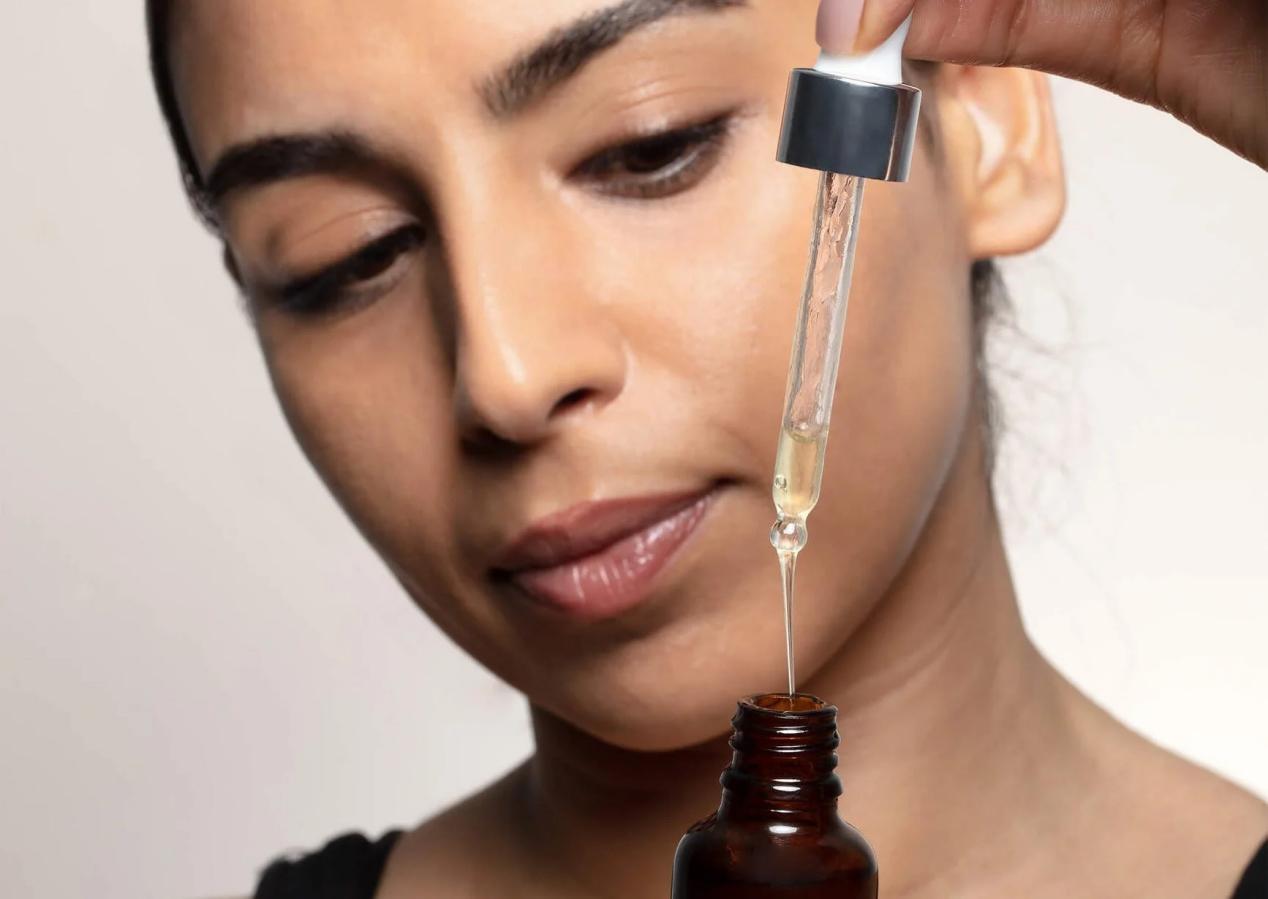
Turning Stabilization Science into High-Performance Products
Yingji Cosmetic’s formulation and manufacturing capabilities address the main technical barriers involved in vitamin C serum stability and formula scale-up.
Tailored Active Formulation: Custom development can use pure ascorbic acid, selected vitamin C derivatives, or delivery systems depending on product positioning.
Production Quality Control: Raw material control, in-process monitoring, and finished-product testing support batch-to-batch consistency.
Turnkey Scalability: From vitamin C serum stability testing and packaging compatibility testing to filling and primary packaging sourcing, Yingji Cosmetic supports multiple stages of commercialization.
Partner with Yingji Cosmetic for Your Next Vitamin C Launch
Ready to develop a more stable commercial Vitamin C product? Yingji Cosmetic supports brands with stable vitamin C serum formulation development, vitamin C oxidation prevention, formula scale-up, packaging selection, and OEM manufacturing.
Contact Yingji Cosmetic to request samples, discuss formulation requirements, or receive an OEM vitamin C serum quotation.
FAQ
Q: Why does vitamin C serum get yellow/brown?
A: Vitamin C oxidation happens due to exposure of Vitamin C to external factors such as oxygen, light, heat, or pH that are unfavorable for the serum. It contributes to the breakdown of ascorbic acid and may cause a visible color change.
Q: Why is vitamin C serum pH important?
A: The pH of Vitamin C serum affects the chemical environment of the active ingredient. Pure L-ascorbic acid needs a more acidic system; however, other vitamin C derivatives may be developed at higher pH.
Q: What tests should be done on vitamin C serum to check its stability?
A: The tests that may be carried out to check the stability of Vitamin C serum include accelerated temperature storage, pH control, color/odor test, viscosity evaluation, active content control, photostability, and packaging compatibility.
Q: How can manufacturers ensure consistency of the batch?
A: A consistent batch of Vitamin C serum requires controlling raw materials, mixing order, temperature, oxygen exposure, pH, processing time, filling, and documentation of the formula scale-up procedure.