
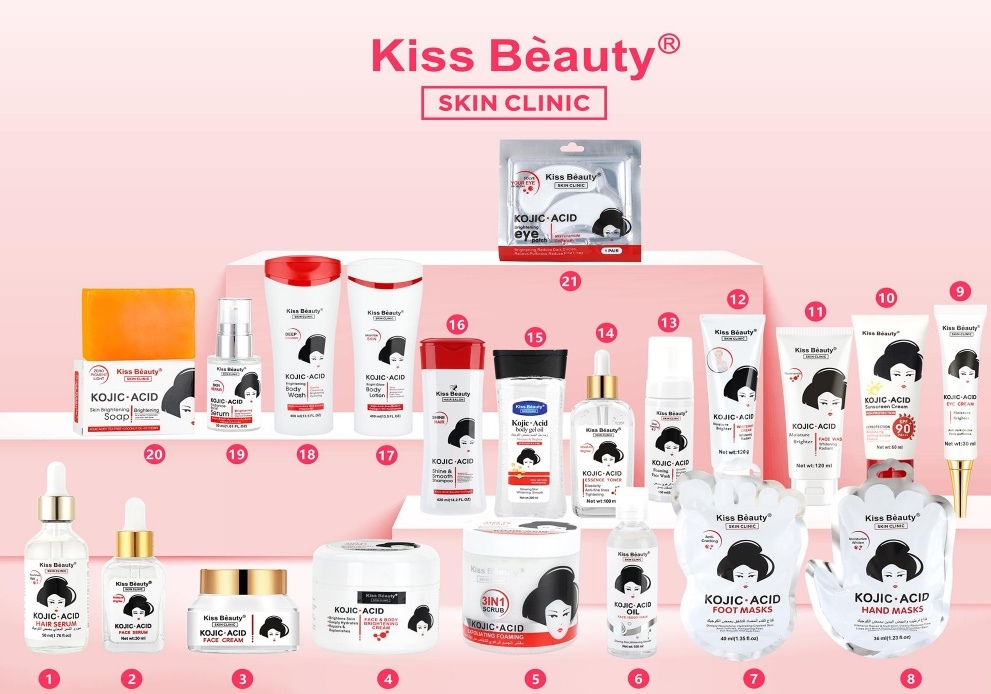
Scaling a beauty brand in today’s competitive market requires a careful balance between premium product performance and healthy profit margins. Managing private label skincare COGS is often the deciding factor between unsustainable growth and long-term profitability. For many brands, controlling private label skincare cost requires reviewing formula design, packaging, batch volume, and production efficiency together rather than cutting quality in one area.
Many brand owners face significant hurdles during production planning:
Escalating Raw Material Expenses: High concentrations of trendy actives can rapidly increase skincare formulation cost and overall cosmetic raw material cost.
Packaging Over-Engineering: Premium custom packaging can become one of the largest contributors to cosmetic manufacturing cost per unit.
Inflexible Batch Sizes: Poorly planned production quantities increase setup costs, raise skincare manufacturing cost, or create excess inventory.
Lowering private label skincare COGS does not require diluting formulas or accepting inferior presentation. By optimizing hero active ingredients, simplifying packaging, and improving batch size optimization, brands can build a more cost-effective skincare formulation. As an experienced private label skincare manufacturer, Yingji Cosmetic works with emerging and established brands to control production costs while maintaining formula performance.
Key Drivers of Skincare Formulation Cost
Skincare formulation cost is heavily influenced by ingredient selection, active concentration, processing complexity, and raw material sourcing. Understanding these variables helps brands manage private label skincare cost without sacrificing the intended product positioning.
Strategic Selection of Hero Active Ingredients
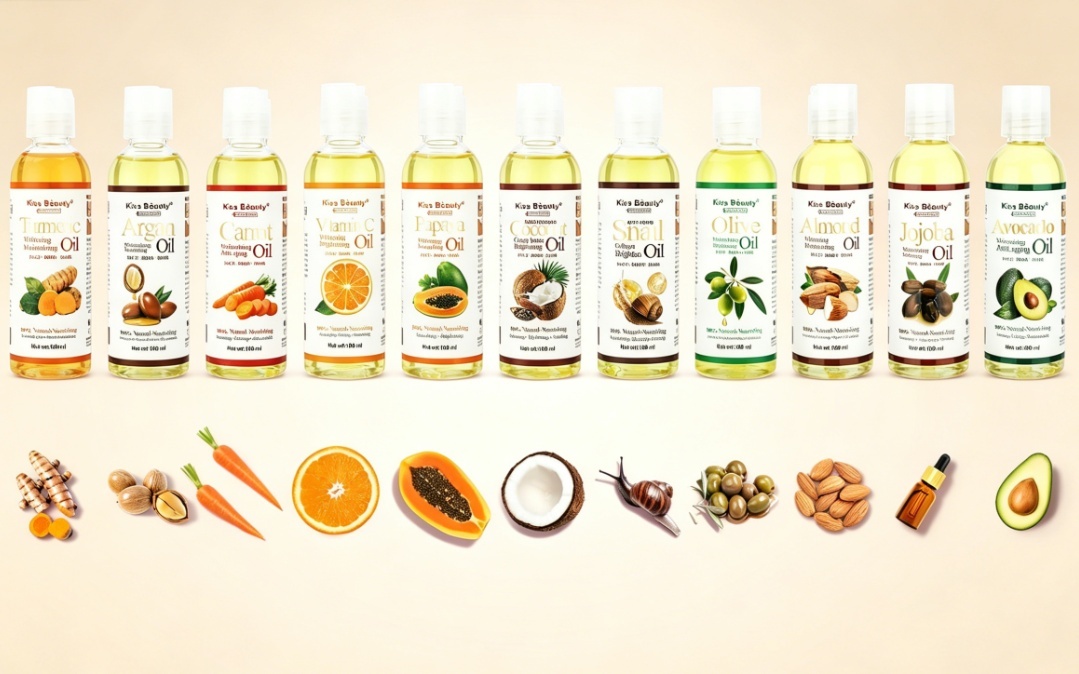
Careful selection of hero active ingredients can help maintain strong product positioning while controlling cosmetic raw material cost.
The following ingredient strategies support effective formula cost optimization:
Target Functional Use Levels: Formulate hero active ingredients at concentrations appropriate to the intended product function rather than automatically using the highest possible inclusion level.
Utilize Multi-Functional Actives: Ingredients such as Niacinamide or Hyaluronic Acid can support several formulation goals, reducing the need for multiple overlapping actives.
Evaluate Advanced Delivery Systems: Encapsulation or alternative delivery approaches may improve ingredient stability or performance, allowing formulators to reassess total active loading.
For a private label skincare manufacturer, the goal of skincare formula optimization is not simply to remove expensive ingredients, but to build the most efficient ingredient system for the target claims, texture, and price point.
Formula Cost Optimization Through Smart Synergy
Effective formula cost optimization depends on the full base system, not just the cost of the active ingredients.
Key skincare formula optimization techniques include:
Optimizing Emulsifier Networks: Simplifying overly complex emulsifier systems can reduce raw material count and production complexity.
Standardizing Carrier Bases: Using selected botanical oils or functional base materials across several SKUs can improve purchasing efficiency and reduce cosmetic raw material cost.
Improving Formula Architecture: A well-designed base can support texture, stability, and active delivery without requiring unnecessary additive layers.
Packaging Cost Optimization for Private Label Brands
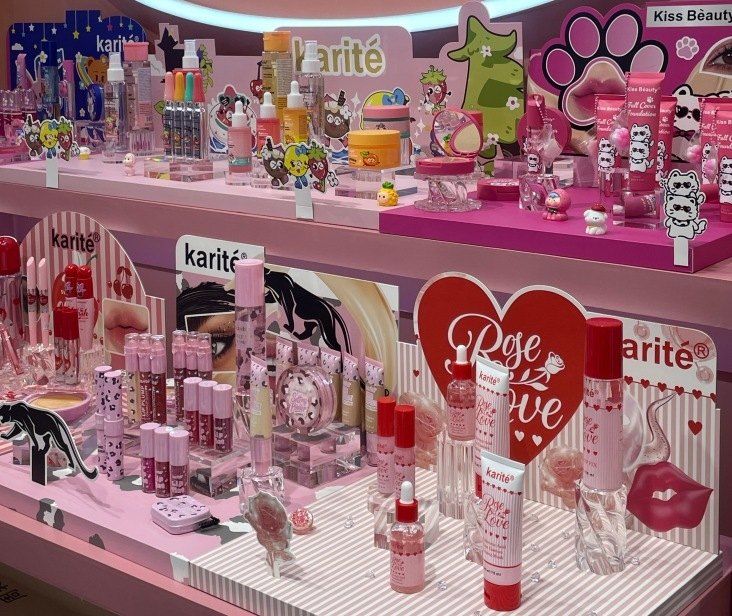
Primary packaging protects the formula and communicates brand value, but poor packaging choices can significantly increase skincare manufacturing cost and cosmetic manufacturing cost per unit.
Primary Packaging Efficiency and Material Selection
Effective packaging cost optimization balances formula protection, visual appeal, filling efficiency, and unit economics.
Useful packaging cost optimization strategies include:
Standard Airless Pumps: Ready-to-use airless formats can protect sensitive formulas while avoiding the investment required for fully customized molds.
PET and Recyclable Mono-Materials: Standardized packaging materials may reduce component cost while supporting sustainability positioning.
Optimized Fill Volumes: Standardizing bottle necks, pumps, and fill sizes across a product family can simplify automated production and reduce changeover costs.
For brands reviewing private label skincare COGS, packaging should be evaluated alongside the internal formula because both contribute directly to total cosmetic manufacturing cost per unit.
Standard Tooling vs. Custom Molds
Custom component tooling often introduces upfront investment, longer development timelines, and higher minimum quantities.
Strategic alternatives include:
Utilize Stock Component Designs: Standard bottles and jars can be differentiated through coatings, printing, labels, or decorative finishes.
Consolidate Packaging Vendors: Sourcing components through the private label skincare manufacturer may reduce coordination complexity and duplicated supplier margins.
Streamline Outer Box Specifications: Standard carton sizes can improve packing efficiency and reduce freight volume.
Batch Scaling and Manufacturing Cost Efficiencies
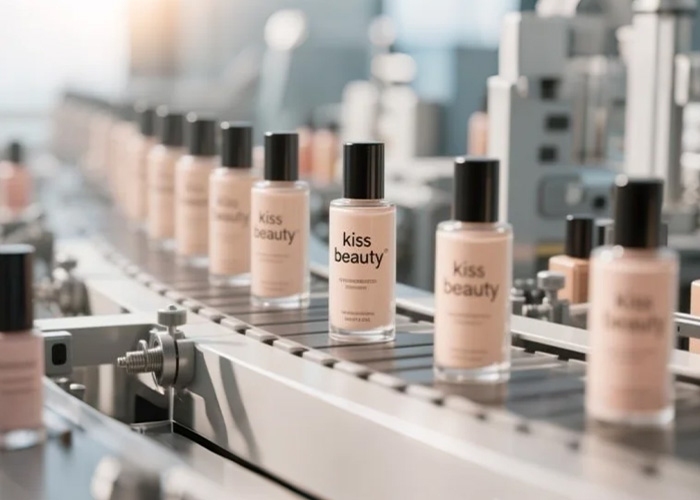
Production volume affects labor use, machine setup, raw material purchases, and overall skincare manufacturing cost.
Navigating Private Label Skincare MOQ and Batch Size Optimization
The right private label skincare MOQ balances production runs with sales forecasts and stock risk.
Key batch size optimization considerations include:
Right-Sizing Initial Runs: Match the private label skincare MOQ to expected first orders rather than taking the biggest batch offered right away.
Production-Line Efficiency: Larger batches cut down on repeated setup, cleaning, and packaging switches during the run.
Tiered Volume Scaling: Brands raise order size step by step once sales settle, letting batch size optimization improve cost per unit while keeping inventory in check.
Accelerating Market Entry with Semi-Custom Skincare Formulas
A semi-custom skincare formula shortens development time and cuts early R&D spend compared with starting every item from scratch.
Benefits of a semi-custom skincare formula approach include:
Reduced Development Iterations: An existing base formula limits extra rounds of testing and adjustments.
Existing Stability Knowledge: Prior work on the base gives a clear path for checking preservative systems, thickness, and pack compatibility.
Faster Commercialization: Brands adjust actives, scent, feel, or packaging on a ready platform, which shortens the full cycle to market.
For many new brands, a semi-custom skincare formula offers a steady path to a cost-effective skincare formulation while keeping the product distinct from others.
How Yingji Cosmetic Solves COGS Bottlenecks
Translating cost-reduction strategy into production requires a private label skincare manufacturer capable of coordinating formula development, raw materials, packaging, filling, and quality control.
Cost Optimization Strategies vs. Product Impact
To help brands evaluate potential cost-saving opportunities, the following table compares traditional high-cost manufacturing practices with optimized COGS strategies and their impact on formula efficacy and brand experience:
Practical Production Scenarios and Turnkey Value
Here is how Yingji Cosmetic can address common private label skincare COGS challenges:
Facial Serum Line Optimization: Brands developing serum products can use skincare formula optimization to review active combinations, base structure, and packaging together rather than increasing concentrations unnecessarily.
Nourishing Body Care Scaling: Higher-volume body care products can benefit from improved batch size optimization, production-line planning, and raw material standardization to lower skincare manufacturing costs.
Turnkey Customization Services: From formulation adjustments to packaging sourcing, Yingji Cosmetic supports OEM/ODM projects through one coordinated manufacturing workflow, helping reduce third-party management complexity and total private label skincare cost.
Ready to Optimize Your Skincare COGS?
Partner with a private label skincare manufacturer that understands formula cost optimization, packaging cost optimization, batch size optimization, and scalable manufacturing. Yingji Cosmetic can help brands evaluate where unnecessary cost is being added while preserving the intended formula performance and product positioning.
Contact Yingji Cosmetic today to request samples, discuss a semi-custom skincare formula, review your private label skincare MOQ, or evaluate opportunities to reduce cosmetic manufacturing cost per unit across your next skincare line.
FAQ
Q: What are the key determinants of private label skincare COGS?
A: The key factors determining private label skincare COGS are cosmetic raw material prices, packaging, order size, formula complexity, filling requirements, testing, and manufacturing efficiency.
Q: In what ways can one reduce skincare formula cost without compromising on brand image?
A: Skincare formula optimization should be about picking the right hero actives, consolidating the ingredient system, standardizing base materials, and achieving comprehensive formula cost optimization.
Q: What is the effect of private label skincare MOQ on manufacturing cost?
A: Too small an MOQ for private label skincare will lead to increased setup and labor cost per piece, while too large an order will cause inventory risks. Proper batching is about finding a balance between efficient production and actual demand.
Q: Why would a semi-custom formula help save skincare development cost?
A: A semi-custom skincare formula builds on an existing formulation platform, which will help reduce R&D iterations and cut down development time, while still leaving room for customizations in ingredients, texture, fragrance, and packaging.