
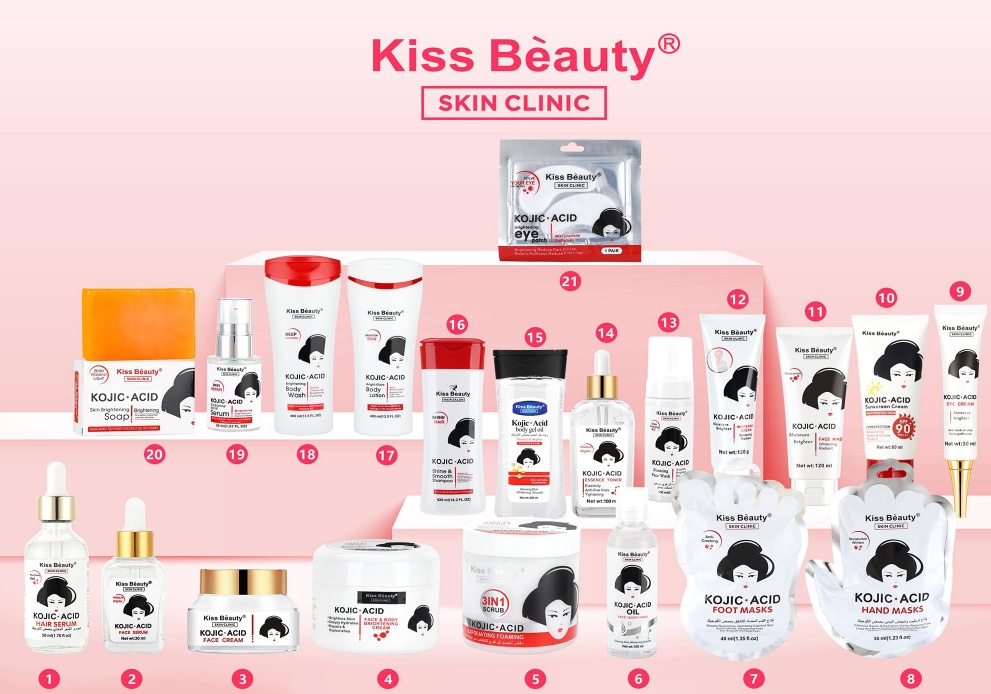
Navegar pelo cenário financeiro da indústria da beleza exige uma análise precisa do Custo dos Produtos Vendidos (CPV). Para marcas de beleza em crescimento, avaliar o custo total de fabricação de cosméticos em cada item da cadeia de suprimentos é fundamental para estabelecer margens de varejo sustentáveis e manter a competitividade em um mercado concorrido. Como um dos principais fabricantes de cosméticos de marca própria na China, Yingji Cosmetic Combina 100.000 m² de instalações de produção modernas e 20 linhas automatizadas avançadas para fornecer soluções OEM e ODM de alto desempenho, adaptadas a investimentos estratégicos da marca.
Entendendo o Custo dos Produtos Vendidos (CPV) na Fabricação de Cosméticos
Gerenciar com eficiência os custos totais de fabricação de cosméticos de marca própria é fundamental para o crescimento comercial na produção de beleza. Calcular com precisão o custo unitário de fabricação de cosméticos desde o início permite que as marcas gerenciem as flutuações nos parâmetros de custo e estabeleçam modelos de preços flexíveis tanto para o canal de venda direta ao consumidor (D2C) quanto para o varejo atacadista.
O papel estratégico da análise da estrutura de custos na expansão de marcas próprias.
Analisar detalhadamente o custo de uma marca própria de cosméticos proporciona total clareza sobre as despesas variáveis e a alocação de margem.
- Preservação da margem de lucro: Uma contabilidade de custos detalhada impede que despesas imprevistas corroam as margens de lucro durante o crescimento da empresa.
- Resiliência da cadeia de suprimentos: Compreender os fatores que impulsionam a produção ajuda os compradores a negociar melhores condições e a antecipar as flutuações de preços das matérias-primas.
- Reinvestimento estratégico: A redução dos custos de produtos de marca própria para cuidados com a pele e maquiagem cria espaço orçamentário para marketing estratégico e expansão de canais.
Análise de Componentes: Desvendando os Fatores de Custo na Produção de Cosméticos
Calcular o custo total de cosméticos de marca própria exige analisar detalhadamente cada componente físico e regulamentar que compõe o custo unitário final, dentro de uma discriminação de custos específica para cosméticos de marca própria.
Custo e densidade de princípios ativos em formulações cosméticas
A fórmula a granel representa uma parcela significativa do custo total de produtos de cuidados com a pele e maquiagem de marca própria, sendo fortemente influenciada pela pureza da matéria-prima, pelas concentrações de ingredientes ativos e pelos extratos botânicos.
- Concentração de ingredientes ativos: Altas concentrações de ingredientes ativos de alta qualidade, como vitamina C estável ou óleos botânicos especializados, aumentam diretamente o custo total da formulação cosmética por unidade.
- Complexidade da emulsão: Texturas avançadas, como fórmulas água-em-óleo, exigem equipamentos de emulsificação precisos e maior energia de mistura em comparação com séruns tópicos padrão.
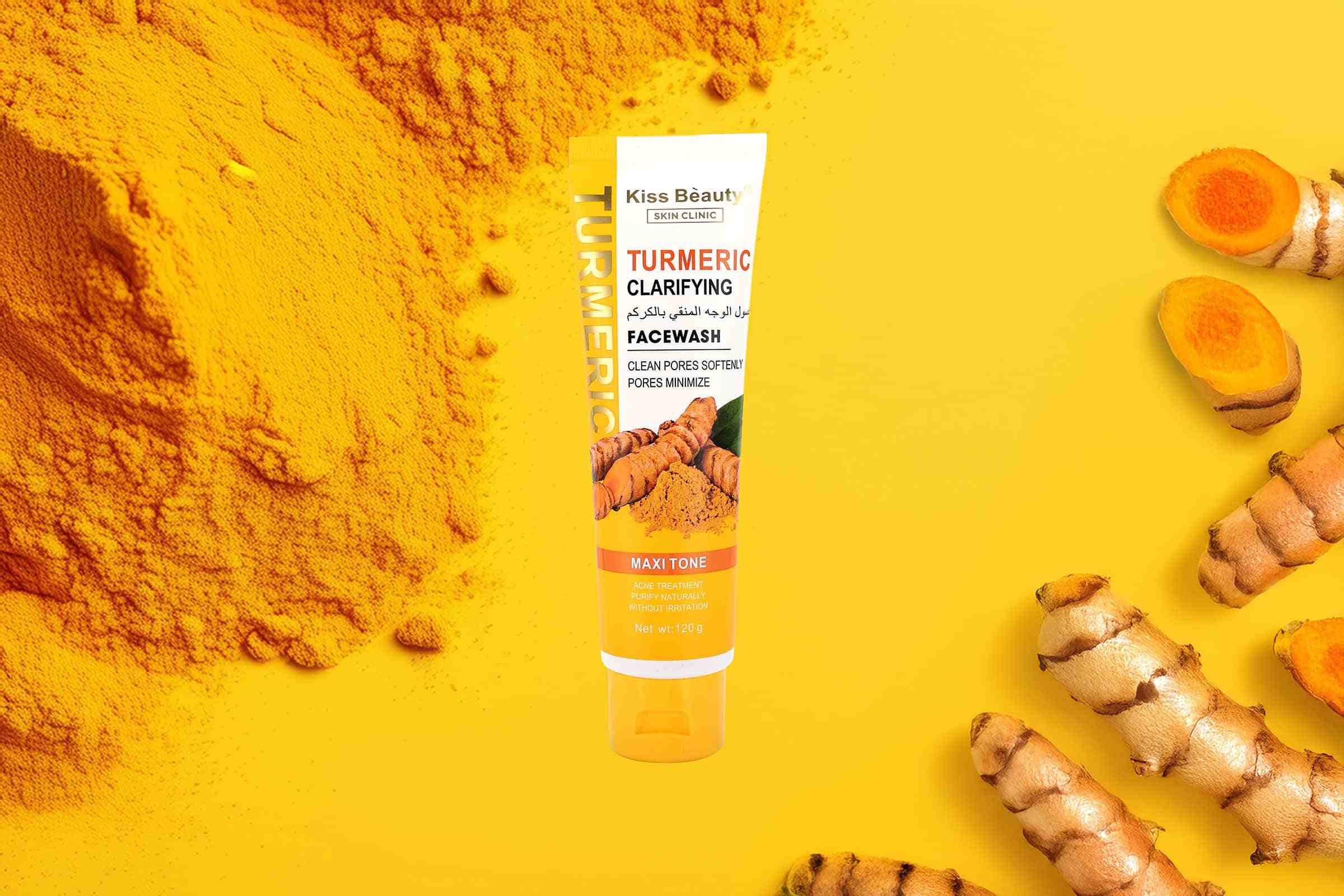
- Exemplo de aplicação: Formulações como a nossa Kiss Bèauty SKIN CLINIC. Lava de rosto clara turmérica Utilizam-se agentes de limpeza botânicos especializados que exigem um rigoroso controle de temperatura durante a mistura para garantir a estabilidade botânica e a consistência da espuma.
Custos de embalagem primária e secundária
O custo unitário da embalagem cosmética geralmente se iguala ou excede as despesas internas com a fórmula a granel, devido a fatores como estética, seleção de materiais e funcionalidade protetora.
- Material da embalagem principal: Acrílico, vidro e tubos flexíveis multicamadas variam muito em custo unitário e impacto na proteção da fórmula durante seu prazo de validade.
- Mecanismos de Dispensação: Bombas airless de precisão e conta-gotas aumentam os custos de fabricação, mas evitam a oxidação do produto e a degradação ativa.
- Personalização da embalagem externa: Técnicas de acabamento especiais, como estampagem a quente, relevo e inserções personalizadas, aumentam o custo total da embalagem cosmética por unidade.
Mão de obra de produção, montagem automatizada e tamanhos de lotes
Os custos indiretos de mão de obra na manufatura estão diretamente relacionados aos níveis de automação da fábrica e aos volumes de produção.
- Automação de linha: Linhas de enchimento e fechamento automatizadas de alta velocidade reduzem drasticamente os custos de mão de obra manual por unidade em produções de grande volume.
- Quantidades Mínimas de Encomenda: Operar dentro de limites mínimos de encomenda otimizados para cosméticos de marca própria permite que as fábricas amortizem os custos de preparação em volumes de lotes maiores.
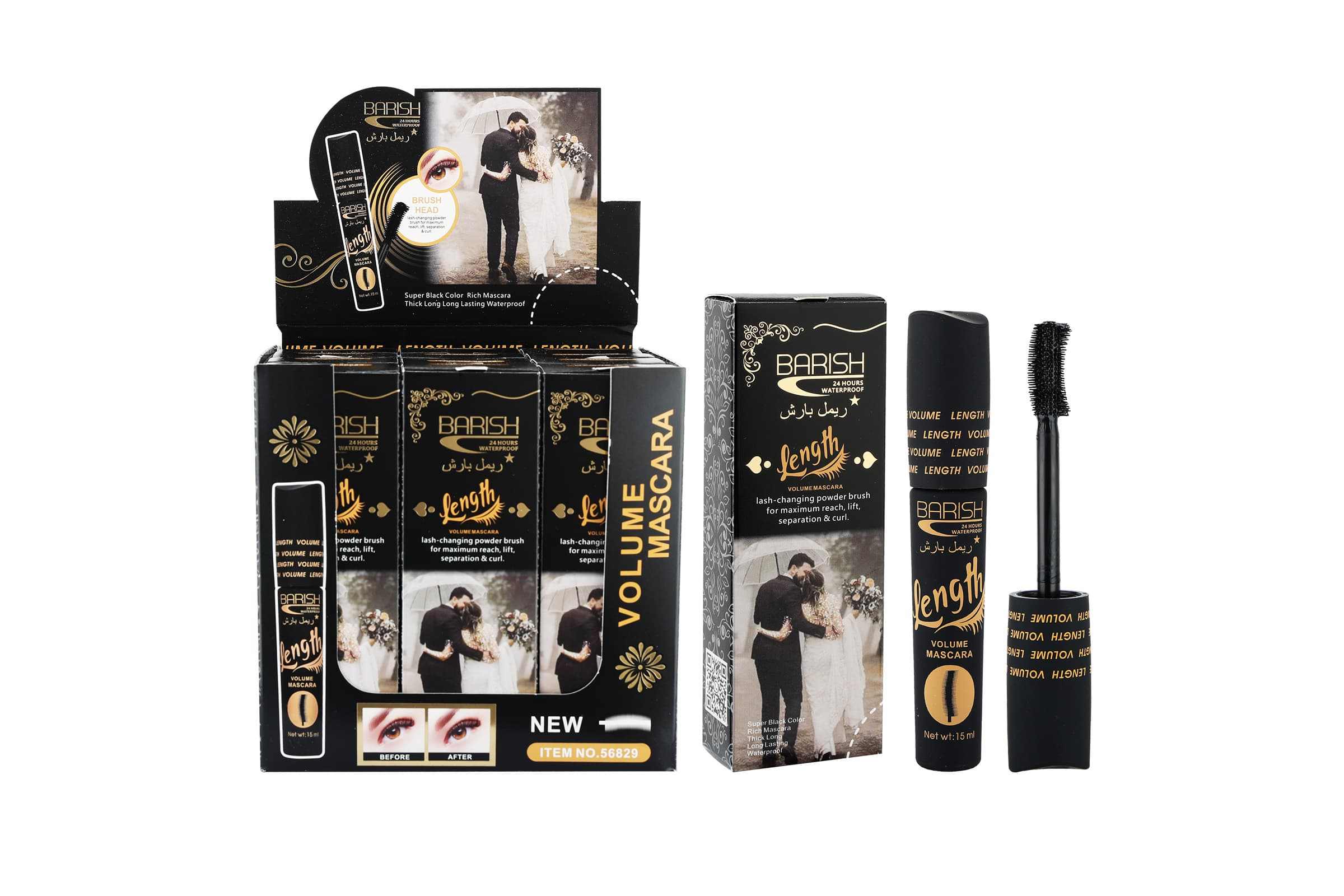
- Exemplo de aplicação: Nossas linhas de envase automatizadas processam produtos de alta densidade, como o batom em caneta Kiss Bèauty Velvet e o creme volumizador Kiss Bèauty. Super Black Volume Mascara Com mínima intervenção humana, garante-se o controle uniforme da viscosidade e reduz-se o custo de fabricação de cosméticos por unidade.
Testes de conformidade, controle de qualidade e custo total de aquisição.
Atingir os padrões de segurança exige a alocação de orçamento para verificação regulatória e logística de transporte.
- Testes de segurança e estabilidade: O custo dos testes cosméticos básicos abrange testes microbiológicos, triagem de metais pesados, testes de desafio e avaliações de compatibilidade de embalagens.
- Certificações e auditorias: A fabricação segundo normas internacionais de qualidade, como a ISO 22716 e a GMPC, garante uma entrada descomplicada nos mercados globais.
- Frete e impostos: considerando o frete internacional, as tarifas alfandegárias e o armazenamento local, obtém-se o custo total de desembarque que as marcas de cosméticos precisam para um planejamento financeiro preciso.
Técnicas de Otimização: Estruturas Estratégicas para Máxima Rentabilidade Comercial
Maximizar as margens brutas não significa comprometer a segurança ou a eficácia da fórmula. Uma arquitetura de formulação inteligente e escolhas estratégicas na cadeia de suprimentos permitem obter ganhos significativos de eficiência em todo o custo de fabricação de cosméticos de marca própria.
Padronizando as formulações básicas e personalizando os ingredientes ativos principais.
Um método comprovado para gerenciar os custos de fabricação de cosméticos é usar estruturas básicas pré-testadas combinadas com complexos ativos personalizados.
- Economias de escala no chassi: O aproveitamento de fórmulas básicas comprovadas reduz o tempo de P&D personalizadas, o custo inicial de testes cosméticos e os custos de aquisição de matéria-prima.
- Identidade de produto personalizada: A adição de ingredientes ativos específicos — como extratos específicos à nossa Máscara de Essência de Aloe Vera — permite que as marcas divulguem alegações exclusivas sem precisar reformular o produto do zero.
- Prototipagem simplificada: Essa abordagem de desenvolvimento híbrida reduz o tempo de resposta das amostras para 7 a 15 dias, mantendo ao mesmo tempo uma estabilidade rigorosa entre lotes.
Seleção estratégica de custos e eficiência de escala em cosméticos OEM versus ODM
A escolha entre fabricação de equipamento original e projeto totalmente personalizado determina o capital inicial necessário. Cosméticos OEM vs ODM estruturas de custos e velocidade de produção.
- Personalização OEM: Ideal para marcas consolidadas com fórmulas exclusivas que necessitam de instalações de produção especializadas de alta capacidade para reduzir o custo da formulação cosmética.
- Desenvolvimento ODM de Serviço Completo: Ideal para entrada rápida no mercado, aproveitando soluções prontas para uso, desde a criação da fórmula e o design da embalagem até a conformidade regulatória final.
- Economia baseada na escala: Aumentar a escala dos pedidos em lote acima dos níveis iniciais de quantidade mínima de encomenda (MOQ) para cosméticos de marca própria reduz exponencialmente o custo de fabricação de cosméticos por unidade.
Equilibrando a eficácia do produto com a rentabilidade comercial.
Dominar a estrutura de custos de fabricação de cosméticos de marca própria é essencial para o valor da marca a longo prazo e margens de lucro sustentáveis. Ao firmar parceria com um fabricante experiente de cosméticos de marca própria como a Yingji Cosmetic, uma fabricante confiável na China, as marcas de beleza têm acesso a conhecimento técnico avançado em formulação, linhas de produção escaláveis e estratégias estruturadas de otimização de custos para avaliar o perfil de custo total de seus cosméticos.
Pronto para expandir sua linha de marca própria?
Faça parceria com a Yingji Cosmetic, sua fabricante de cosméticos de marca própria preferida, para otimizar seus custos de produção e lançar produtos de maquiagem e cuidados com a pele prontos para o mercado com rapidez e precisão.
Entre em contato com a Yingji Cosmetic hoje mesmo. Para discutirmos a economia de escala desejada e recebermos um orçamento de fabricação personalizado.
FAQ
P: Qual é a principal diferença entre o custo de cosméticos OEM e ODM?
A: O custo do OEM concentra-se principalmente na fabricação por contrato usando as fórmulas e especificações fornecidas por você, enquanto o ODM inclui P&D inicial, desenvolvimento de fórmulas, design de embalagens e serviços completos de criação "chave na mão", impactando o custo total de cosméticos OEM versus ODM.
P: Como a quantidade mínima de encomenda (MOQ) de cosméticos de marca própria impacta o custo unitário dos cosméticos?
A: Atingir ou superar a quantidade mínima de encomenda (MOQ) de cosméticos de marca própria reduz significativamente o custo de fabricação por unidade, distribuindo os custos de aquisição de matéria-prima, tempo de preparação da máquina e calibração da linha de produção por um volume maior de produtos acabados.
P: Quais são os principais itens incluídos na discriminação de custos de cosméticos de marca própria?
A: Uma análise padrão de custos de cosméticos de marca própria inclui o custo da formulação cosmética a granel, o custo da embalagem primária e secundária, a mão de obra de envase e montagem, o custo dos testes regulatórios e os custos finais de frete para calcular o custo total de aquisição que as marcas de cosméticos pagam.
P: Como as marcas podem reduzir o custo da formulação de cosméticos sem comprometer a qualidade do produto?
A: As marcas podem reduzir os custos de formulação de cosméticos e otimizar o custo geral de produtos de cuidados com a pele de marca própria, utilizando fórmulas básicas padronizadas e pré-estabilizadas e personalizando apenas os principais ingredientes ativos, minimizando as despesas com pesquisa e desenvolvimento personalizados, ao mesmo tempo que mantêm a alta eficácia e segurança do produto.