
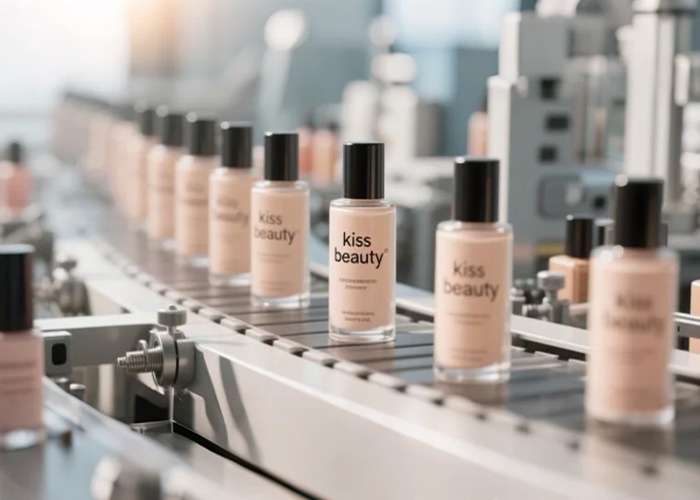
The Pivot Point in Modern Cosmetic Manufacturing
The beauty industry moves fast. A trend from social media can spread and create demand worldwide in days. Brand owners and those who buy supplies must choose between quick market entry and making products stand out. Finding the right cosmetic manufacturing path needs a solid understanding of turnkey solutions compared to custom development.
Yingji Cosmetic has been a key player in this field since 1991. Over more than thirty years, the company has worked hard to improve both kinds of cosmetic manufacturing. This helps brands find their way through the challenges. The firm runs a large 34,000 square meter plant with twenty modern production lines. This setup gives the support needed to take ideas and make them into finished goods ready for store shelves.
The Battle for Retail Space: Speed vs. Uniqueness
Building a solid spot in the global beauty market means understanding key business aims and limits in cosmetic manufacturing operations.
- Speed-to-Market Priority: Many brands want to jump on hot trends from social media. They often go for turnkey cosmetic manufacturing. This lets them bring out steady, ready-to-sell items in just a few weeks.
- Product Differentiation Priority: Brands that focus on high-end or medical-style skincare usually turn to custom cosmetic manufacturing. They need special formulas made just for them. This helps protect their ideas and meet specific wants from certain groups of buyers.
- Resource Allocation: Turnkey cosmetic manufacturing keeps down costs at the start for research and development. On the other hand, custom cosmetic manufacturing lets companies create lasting value through their own ideas and build stronger ties with customers over time.
Turnkey Solutions: Accelerating Market Penetration
Turnkey cosmetic manufacturing provides a complete package. The partner gives ready formulas tested already and selected packaging. This shortens the supply steps. Brands skip extended research. They launch products sooner.
When and Why to Choose Ready-to-Ship Formulations
This service helps businesses grow their current lines or try new buyer groups with low starting costs.
- Faster Regulatory Approvals: Turnkey formulas come pre-tested and follow worldwide safety standards. Paperwork and approvals become simpler as a result.
- Minimum Order Quantities (MOQs): Ready supply chains in cosmetic manufacturing support lower and more flexible order sizes for turnkey work.
- Reduced Development Risk: Pre-tested formulas in cosmetic manufacturing have market proof. This lowers risks such as separation, oxidation, or package issues.
Scaling with Yingji Cosmetic Turnkey Services
Partnering with Yingji Cosmetic shows turnkey benefits for launching body care products with pre-made choices.
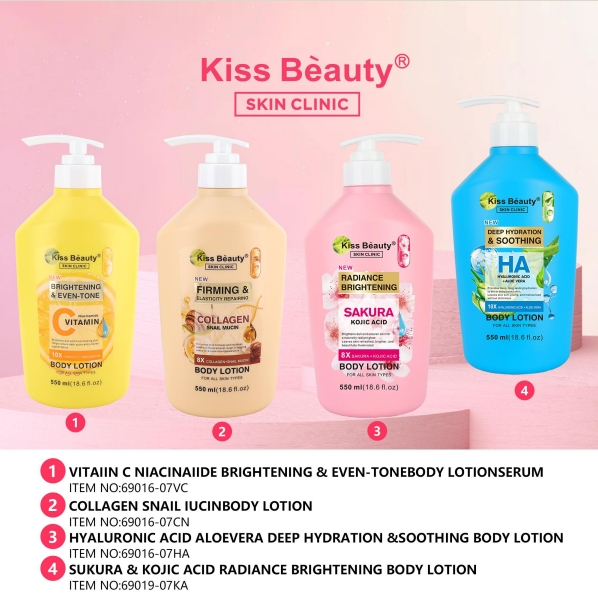
- The Turnkey Product: The Vitamin C Niacinamide Brightening & Even-Tone Body Lotion by Yingji CosmeticKiss Bèauty SKIN CLINIC offers a ready retail formula in turnkey cosmetic manufacturing. Its stable mix brightens tone and tackles hyperpigmentation.
- Built-in Formulation Stability: Advanced emulsification in cosmetic manufacturing keeps the lotion stable. It prevents ingredient breakdown for reliable shelf life.
- Rapid Production Timelines: This route avoids months of testing. Brands go from approval to shipment in 45 to 60 days.
Custom Contract Manufacturing: Building Long-Term Brand Moats
Custom cosmetic manufacturing helps brands create their own distinct products. They build from scratch with specific ingredients and unique packaging. It suits those wanting standout textures, scents, or ingredient blends on shelves.
The Power of Proprietary R&D and Active Chemistry
Custom cosmetic manufacturing gives control over ingredients. Brands align with clean beauty and can seek patents for their work.
- Ingredient Customization: Brands select active levels, textures, and fragrances to fit their audience through custom cosmetic manufacturing.
- Exclusive Brand Positioning: Custom formulas support unique studies. This creates selling points hard for rivals to copy.
- Sourcing and Clean Beauty Compliance: It allows removing unwanted ingredients and choosing sustainable sources to meet regional standards.
Operational Integration: Tailoring Complex Formulations
An experienced partner like Yingji Cosmetic makes scaling custom cosmetic manufacturing smooth.
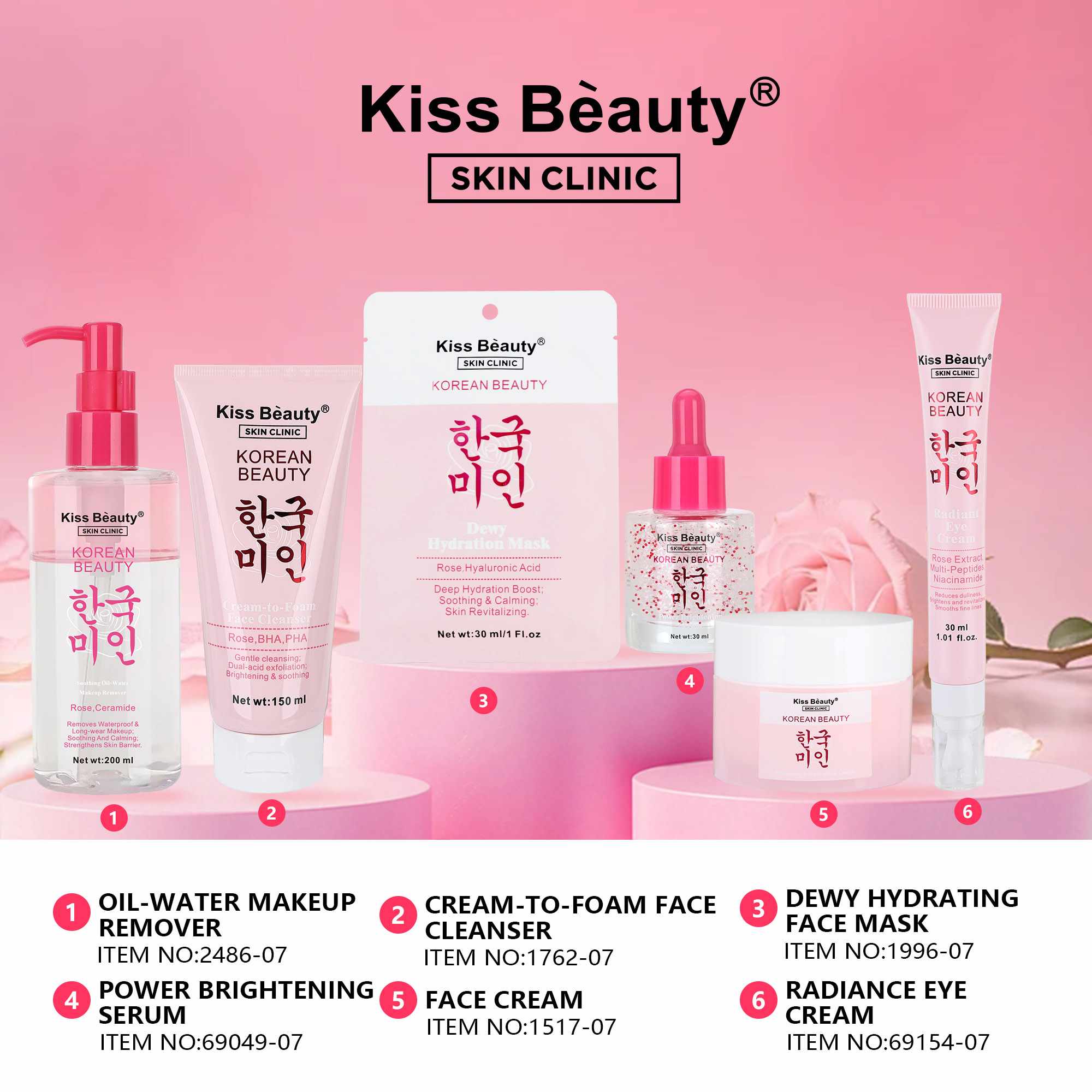
- Custom Product Development: Collaboration with Yingji Cosmetic’s R&D leads to tailored multi-step systems like a Rose Skin Care Set.
- Advanced Formulation Engineering: Examples include a Kiss Bèauty SKIN CLINIC’sCream-to-Foam Cleanser with mild surfactants and a Dewy Hydration Mask for moisture retention.
- Rigorous Quality Verification: Automated lines in GMPC and ISO22716 certified facilities at Yingji Cosmetic maintain consistency and control microbes in large runs.
Choosing the Right Fit: A Strategic Decision Matrix
Picking the suitable cosmetic manufacturing plan means looking closely at how much money the brand has, when they need to start selling, and what they want for the future. Going over these points in cosmetic manufacturing helps the buying team reach a smart choice that aids steady progress.
Comparative Breakdown of Turnkey and Custom Paths
This side-by-side look shows the real differences in how the two cosmetic manufacturing ways work in practice.
- Financial Investment: Turnkey cosmetic manufacturing does not call for much spending on research at the beginning. It suits new companies well. Custom cosmetic manufacturing asks for more money upfront to try out recipes, check how they last, and make special molds for packages.
- Launch Timeline: Items from turnkey cosmetic manufacturing often reach store condition in less than two months. A complete line from custom cosmetic manufacturing, though, takes between six and twelve months. This covers time for creating, checking, and handling official papers.
- Brand Valuation and IP Ownership: Brands using turnkey cosmetic manufacturing mainly stand out through how they promote and what they charge. Those going custom own the special recipes they make. This builds a position that others cannot take away easily. It also raises the worth of the whole business.
Launch Smarter, Scale Faster with Yingji Cosmetic
The decision between turnkey and custom cosmetic manufacturing comes down to what matches the aims of the business. It is not simply about one being better than the other. Yingji Cosmetic stands as a trusted name worldwide in cosmetic manufacturing. The company connects these two approaches. Their modern plant follows GMP and ISO standards. A team focused on research and development stands ready. All this brings the know-how to make ideas into real products.
Are you set to grow your cosmetics business? Reach out to Yingji Cosmetic. Talk over your upcoming project or look through the list of formulas ready to go.
FAQ
Q: What is the average turnaround time difference between turnkey and custom cosmetic manufacturing?
A: Turnkey cosmetic manufacturing usually gets products ready for sale in 45 to 60 days. The formulas have already gone through tests, and the packaging is available. Custom cosmetic manufacturing needs more time, often 6 to 12 months. This accounts for special research work, several rounds of checks on how items hold up, and steps to follow rules.
Q: Who owns the intellectual property (IP) rights for a turnkey cosmetic formulation?
A: Under a typical turnkey cosmetic manufacturing deal, the partner that makes the goods keeps rights to the main recipe. The brand holds onto the name and how the package looks. For full rights over the recipe itself, a brand has to go with custom cosmetic manufacturing.
Q: How do cosmetic manufacturers verify the stability of custom active formulations before mass production?
A: During custom cosmetic manufacturing, teams put the mixes through tough checks. They expose samples to very hot or cold conditions, light from special sources, and cycles of freezing and thawing. This goes on for one to three months. The process in cosmetic manufacturing makes sure items stay together, keep their color, and work as they should.
Q: Can a cosmetic brand transition a turnkey product into a custom formulation later on?
A: Yes, this happens often. Brands start out with turnkey cosmetic manufacturing to see how well things sell. After that, they join with the research team from their cosmetic manufacturing partner. They adjust the active parts, the way it feels, or the scent once sales look steady.