
As a general rule, lip oil is better for people who want a comfortable, light feel and a conditioning lip finish. Lip gloss is better for people who want a visible, wet shine and fast surface contact. A good lip range can have both lip oil and lip gloss formulas to give customers choices.
The shape and surface of the lip applicator of a gloss or oil affects the feeling of applying it.
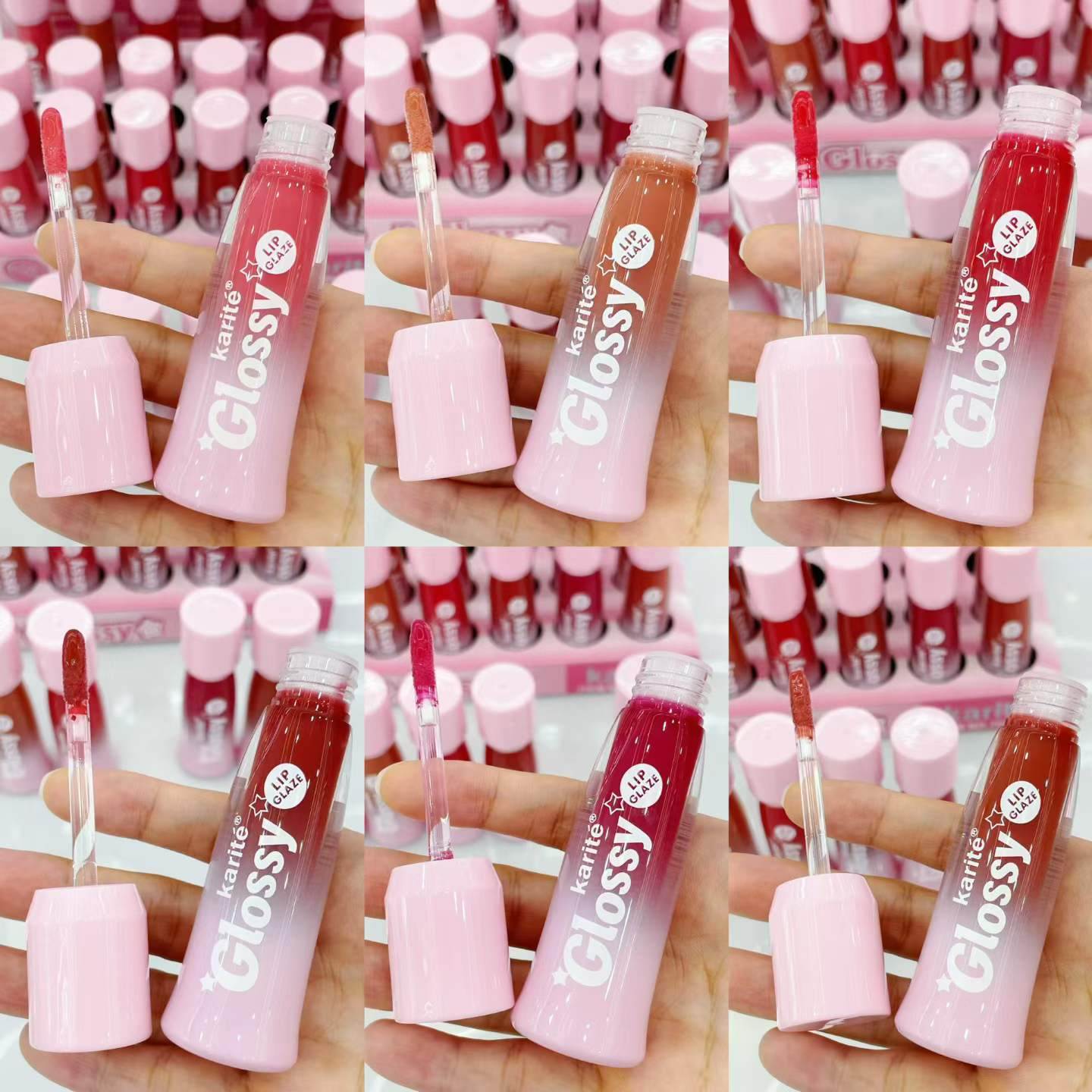
Lip Oil vs Lip Gloss: What Is the Difference?
Texture, comfort, and moisture feel.
One of the biggest differences between a lip oil and a lip gloss is how they balance slip, shine, and film. Lip oil is typically very light and fluid and is often best for using on bare lips or for quick touch-ups throughout the day. Customers who do not like to wear a lot of lipstick will like lip oil. Lip gloss, on the other hand, is all about surface shine, cushion, and the overall visible payoff of the product.
Terms such as “lip oil” and “lip gloss” are often used loosely, so the name of the product alone does not tell a brand how it will perform in the package. A lip oil can still have a rich, cushiony feel, while a gloss may be formulated at a much higher viscosity.
Viscosity becomes especially important when the formula is matched with its packaging. If a formula is made too thick in order to create more cushion, richness, or moisturising feel, it may become difficult for the consumer to squeeze from a soft tube, difficult for the applicator to pick up evenly, or prone to stringing when the wand is pulled from the bottle. If the formula is too fluid for the chosen package, the opposite problems can occur, including excess product pick-up, dripping, leakage around the neck, or too much product being deposited on the lips at once.
For this reason, viscosity should not be evaluated as a formula property alone. The formula, container, wiper and applicator need to be tested as one system. The key question for a beauty brand is not simply whether a formula feels good in the laboratory, but whether it moves, dispenses, applies and settles correctly in the final packaging throughout daily use.
Shine, color, and layering behavior
The lip gloss is often used as a final layer on top of a Lipstick or Lip Liner. The nude shade is made to look even fresher; a deeper shade of color is given more reflective depth or even fuller-looking surfaces without drastically changing the base color. Clear, tinted, shimmer, or high-shine direct you to the different areas of a lip color collection.
Lip oils can be positioned at the lip-care end of the category and still offer color or pearlescence. This product, Yingji Cosmetic’s Moisture & Magic Lip Oil, contains pH-responsive pigments, a light-reflecting pearl matrix, which changes color in about 60 seconds and shows a color change. It has also been formulated with long-lasting moisturisation of up to eight hours; therefore, it has the potential to be positioned as a hybrid product that offers daily comfort as well as makeup.
The glossy finish of a lip product can change when it is viewed under different lights, with different colored surroundings, and with application to thicker or thinner lips.
Which Formula Fits Different Lip Conditions and Routines?
Dry or textured lips
When looking for a product to use on dry-looking lips, look beyond the word ‘hydrating’. Find out if the product spreads evenly and won’t grab at the lipid deficit in the skin. Find out if the film left on the skin is flexible, not tight. And find out if the shine will make the skin look smoother, not highlight all the fine lines. A lip oil can act as a pre-makeup product or comfort product, and a gloss can provide a more precise finish once skin has been made smooth.
This product is a comfortable lip oil that can add to the pleasure of a user’s lip care routine. However, it is not a treatment for damaged lips and must be described accurately. For products containing color-change or plumping directions, clear usage instructions must be given, as these are not suitable for all users.
Minimal makeup and daily touch-ups
A lip oil is an easy product for customers to understand as a soft tint, breathable-looking lip product that can be re-applied throughout the day without the need for a mirror. Lip oils can sit next to lip balms, serums, and lip pencils in a simple daily edit. In contrast, a gloss is best used for an immediate-shine look, a polished pout look, or as a final finish to more defining lip colors.
The most useful range is not necessarily the one with the most shades. It is the range in which each texture has a clear job. A light oil can attract care-led users, a plump lip oil can support a fuller-looking lip story, and a gloss can bring a more obvious reflective finish to the same collection.
How Yingji Cosmetic’s Lip Range Supports Different Use Cases
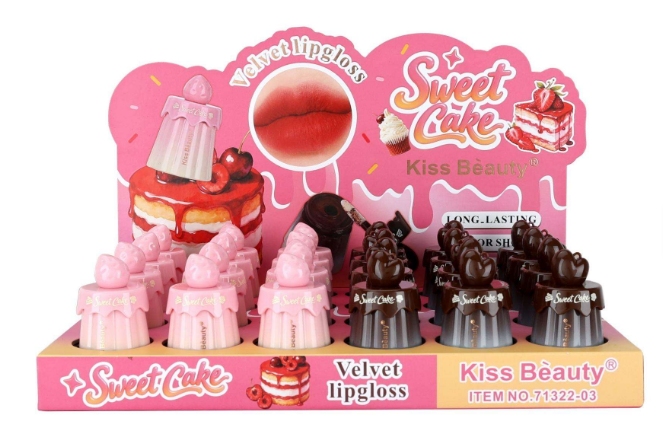
الرطوبة & زيت الشفاه السحرية
Moisture & Magic Lip Oil is another hybrid lip formula from Yingji مستحضرات التجميل. This formula has a pH-responsive pigment shift for a more personalized color experience than a clear oil, combined with a pearl matrix to create a luminous finish. The very fluid consistency makes it the perfect all-rounder product for customers who want a lip product with the feel of a lip care product but with color.
While planning a collection, one should not consider one trend solution for all. A color-responsive oil, for example, has to be checked for the final shade range, how it looks on different lip tones, how transparent the tube is, and how the applicator allows control of the amount of product that is deposited. In this way, trend solutions get concrete and more reliable user experiences.
Compare the hybrid care and color direction of Moisture & Magic Lip Oil.
Plump Lip Oil, lip serum, and gloss roles
The lip range offered by Yingji Cosmetic encompasses a variety of products including Plump Lip Oil, Aloe Vera Lip Serum, Hyaluronic Acid Lip Serum, Juicy Balm, as well as lipstick, lip pencil, and lip gloss. Useful groundwork is provided for this range of care products with different levels of color and shine by the final product story, following the formula’s real effect instead of a very general promise of all products being very moisturizing or plumping.
A lip serum would typically be used before applying lip color, a balm would provide simple ongoing care to lips, and a gloss would offer the greatest visual impact as a finishing product. Products are then constructed to clearly indicate which you would use in the morning, which you would bring with you for touch-ups throughout the day, and which you would layer on top for an evening look.
Check out Yingji Cosmetic’s lip collection for a comparison between care-led and color-led formulas.
The shape of the applicator and the amount of product that it picks up affect precision, layering, and the amount of shine left on lips.
What Should Be Evaluated Before Choosing a Formula?
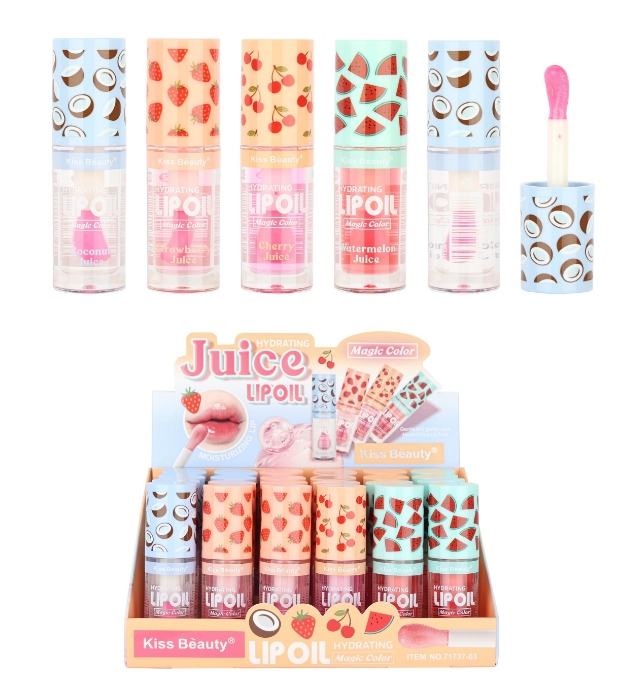
Formula feel and applicator control.
A sample review of a lip product would include comments on glide, tack, cushion, transparency of color, distribution of pearl, and how the product settles after application. The applicator should pick up the right amount of product to create an even layer on the lips and not flood the lip line. A softer doe-foot would be better suited for a very cushiony gloss type product, whilst a more controlled applicator would help to keep a fluid oil type product neat for quick touch-ups.
Layering: Test the product on bare lips, on lips with lip pencil, and on top of lipstick. Check if the layering looks even, if the color changes unexpectedly, and if the product creates a nice shine or a thick layer after several applications.
Packaging and collection positioning
Packaging is a key factor for first impressions but also for daily use. A clear tube allows customers to better see the formula’s texture and color, whereas a design-focused component is more suitable for a product to be given as a present or to be part of a current trend. The cap, wiper, length of the wand, and the closure have to allow for clean usage of the product, especially if the formula is fluid.
We might consider Yingji Cosmetic for building out a comprehensive lip line including oil, gloss, serum, balm, and color products. The key to making this all work well is to define distinct use cases for each product form and keep corresponding claims truly aligned with the benefits of the specific formula or formulas in question.
Why Formula Flow and Applicator Design Must Be Developed Together
A good lip product depends on more than the formula itself. Viscosity, flow, applicator shape, flocking, wiper opening and the amount of product picked up with
In our OEM/ODM development process at Yingji Cosmetic, we therefore evaluate formula flow and packaging/applicator design as one complete system. Depending on the target texture and application experience, our development team can adjust formula viscosity and flow behaviour together with applicator shape, wiper compatibility and product pick-up.
استنتاج
When comparing lip oil and lip gloss, it’s not a case of one being better than the other. Lip oil is better for those after a light, more cared-for lip look, whereas lip gloss is more suitable for those after a lot of shine, layers, and instant visual effects. Our lip range can be used as a starting point to build up these roles within one cohesive collection from Yingji Cosmetic.
اتصل بنا to check out the Yingji Cosmetic lip glosses for a range of very shiny products, including lip oils and serums.
أسئلة متكررة
Q: Is lip oil better than lip gloss for dry lips?
A: Lip oil is generally lighter and may feel better when wearing a very thin layer of product. Lip gloss is used after lips have been primed, and the product adds more shine. In terms of ingredients, lip oil and lip gloss are not in the same category, as both can have different glide, film, tack, and wear on very dry lips.
Q: Can lip oil replace lip gloss?
A: Lip oil can replace lip gloss in a formulation that aims for a softer, more subtle shine and light texture, and a more care-focused routine. However, this won’t replicate a high-shine gloss and may not layer on top of a lipstick as well as a gloss would. Therefore, many collections include both types of product, each with its own use.
Q: What makes Moisture & Magic Lip Oil different?
A: Moisture & Magic Lip Oil is an oil-based lip product in fluid form containing pH-change pigment and a light-reflecting pearl matrix. This product is formulated to display color while providing moisturized lips. It is intended to be part of a hybrid lip story between a lip treatment and color makeup.
Q: What should a brand check when comparing lip oil and lip gloss?
A: Compare the texture, tack, gloss, color transparency, applicator pick-up, layering, tube cleanliness, and removal. Test on bare lips, on top of lip liner, and on top of lipstick. This will determine the true use of the product and whether the packaging is working to support the positioning of the product.