
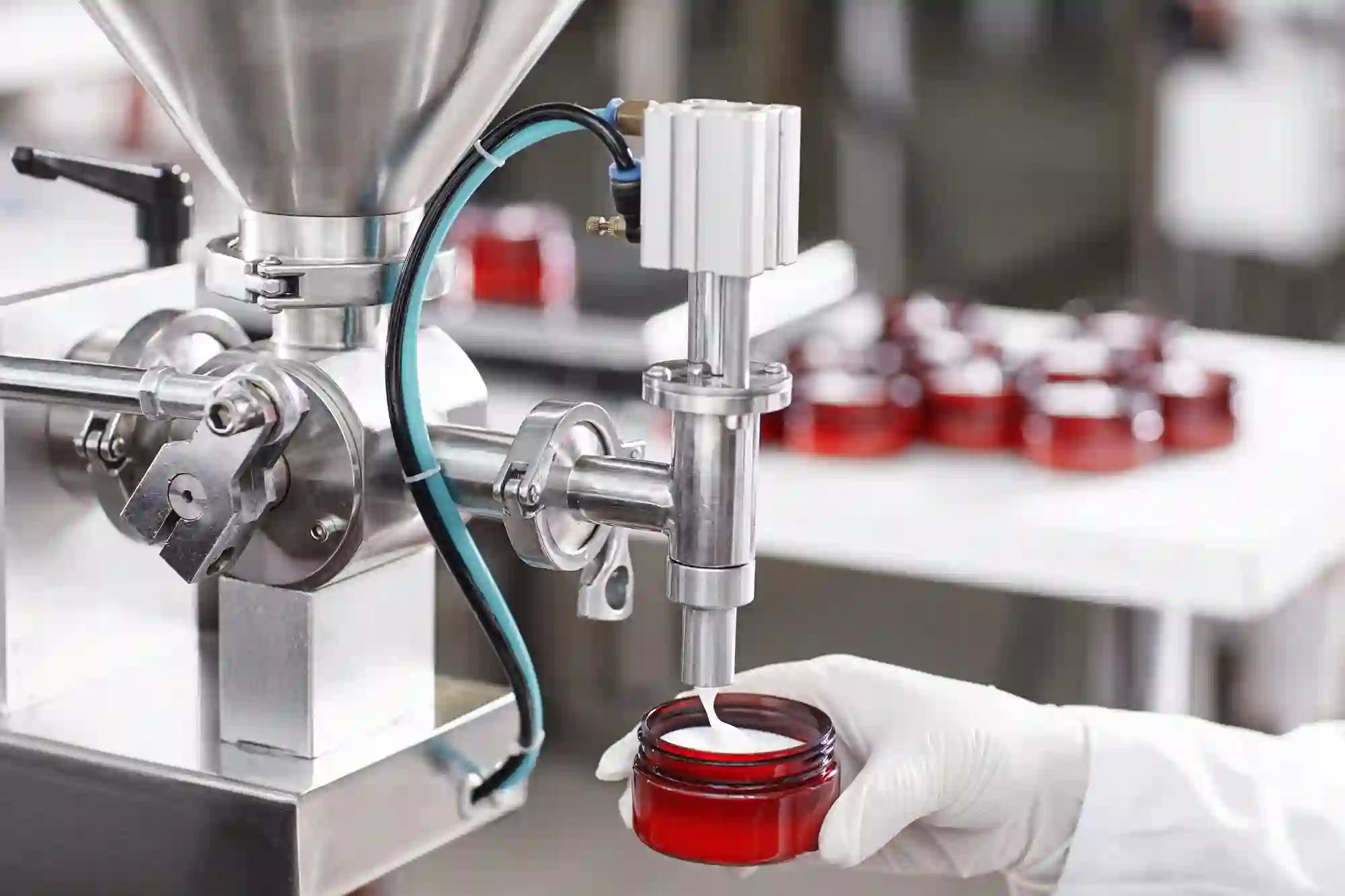
Navigating Cosmetic Manufacturing Sourcing in 2026
Selecting a reliable cosmetic manufacturer needs a clear plan to cut supply chain risks, keep products safe, and hold quality steady. Sourcing teams asking how to choose a cosmetic manufacturer find a detailed cosmetic manufacturer checklist useful when comparing what each maker can do.
The Evolving B2B Buyer Landscape
In 2026, product managers and sourcing directors must handle tough rules from regulators along with high demands from consumers.
- Rising Regulatory Standards: Regulators around the world now ask for complete tracking of ingredients and clean production standards.
- Demand for Speed-to-Market: Quick product cycles need good teamwork between R&D teams and the production lines.
- Batch Consistency Challenges: Scale-up issues can lead to color shifts in cosmetics or emulsion separation. That makes cosmetic batch consistency key for sourcing.
Partnering with Yingji Cosmetic for Scalable Growth
To meet these sourcing needs, working with an established cosmetic OEM manufacturer offers a direct route from concept to retail-ready inventory. Yingji مستحضرات التجميل operates as a private label cosmetics manufacturer China. It backs global brands through solid quality control systems and scalable manufacturing capacity.
A practical cosmetic manufacturer evaluation checklist should cover certifications, R&D capabilities, batch control, packaging compatibility, supplier transparency, and production scalability.
Essential Factory Credentials & Compliance Audits
Verifying international certifications is the foundational step in any cosmetic factory audit checklist and helps buyers reduce regulatory and operational risks.
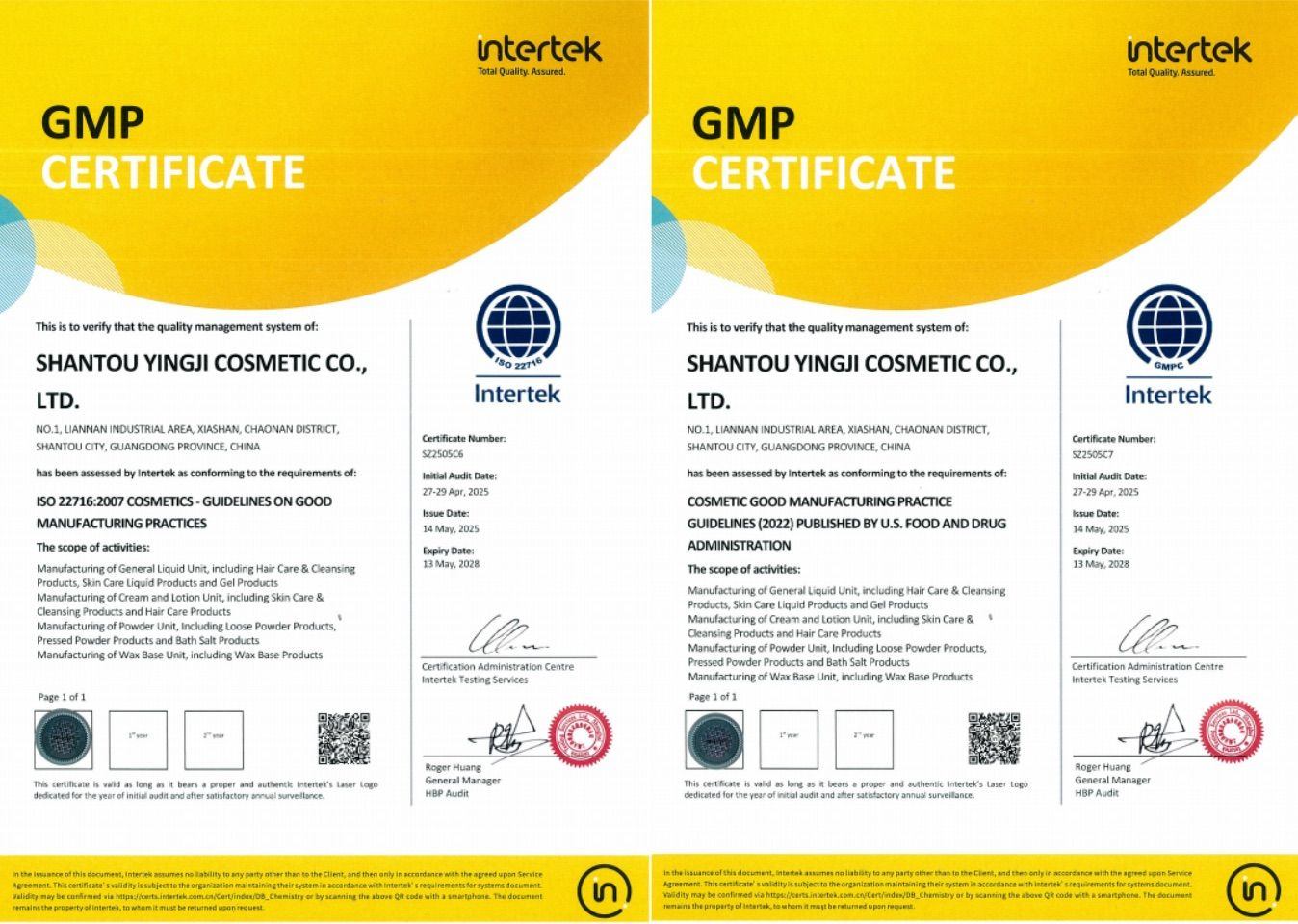
Verifying ISO 22716 and GMPC Certifications
Good Manufacturing Practices ensure that cosmetic products are consistently produced and controlled according to strict quality standards.
- ISO 22716 Compliance: Establishes hygiene guidelines across production, control, storage, and shipment of cosmetics.
- GMPC Standards: Supports controlled production environments, sanitation procedures, and manufacturing discipline.
- Standard Operating Procedures (SOPs): Ensures every step on the mixing and filling line is documented to help prevent contamination.
Leveraging Third-Party Audits (Bureau Veritas)
Independent facility assessments help confirm whether a plant’s operational reality matches its compliance documentation.
- Third-Party Verification: Audits conducted by recognized bodies like Bureau Veritas can support supplier verification.
- Facility Inspections: On-site assessments evaluate production line stability, hygiene conditions, and storage management.
- Data Integrity Reviews: Verify whether batch production records are properly maintained for traceability.
Evaluating R&D Capabilities & Batch Consistency
A qualified cosmetic contract manufacturer must possess the technical R&D depth required to turn concepts into stable commercial products while maintaining reliable cosmetic batch consistency.
Custom Cosmetic Formulation & Sample Approval Process
A structured custom cosmetic formulation workflow helps ensure active ingredients, texture, viscosity, and sensory characteristics remain aligned with brand requirements.
- Custom Formulation Development: Tailoring viscosity, texture, color, and active delivery systems to meet specific product positioning.
- Multi-Stage Stability Testing: Testing samples under thermal, UV, and freeze-thaw stress to evaluate formula integrity.
- Standardized Sample Approval: Establishing a clear cosmetic sample approval process before scaling bench samples into commercial production.
Formula Packaging Compatibility & Batch Quality Control
Verifying formula packaging compatibility helps prevent container degradation, leaking, discoloration, or oxidation after launch.
- Compatibility Testing: Storing formulas—such as facial serums—in intended bottles, pumps, or tubes under defined test conditions to evaluate interaction risks.
- Viscosity and pH Monitoring: Testing production batches against approved target parameters to control cosmetic batch consistency.
- Automated Line Stability: Utilizing automated equipment to support filling accuracy and seal consistency across large production runs.
Supply Chain Transparency & Raw Material Sourcing
Transparent raw material sourcing helps a reliable cosmetic manufacturer reduce risks associated with counterfeit ingredients, unexpected shortages, and inconsistent quality.
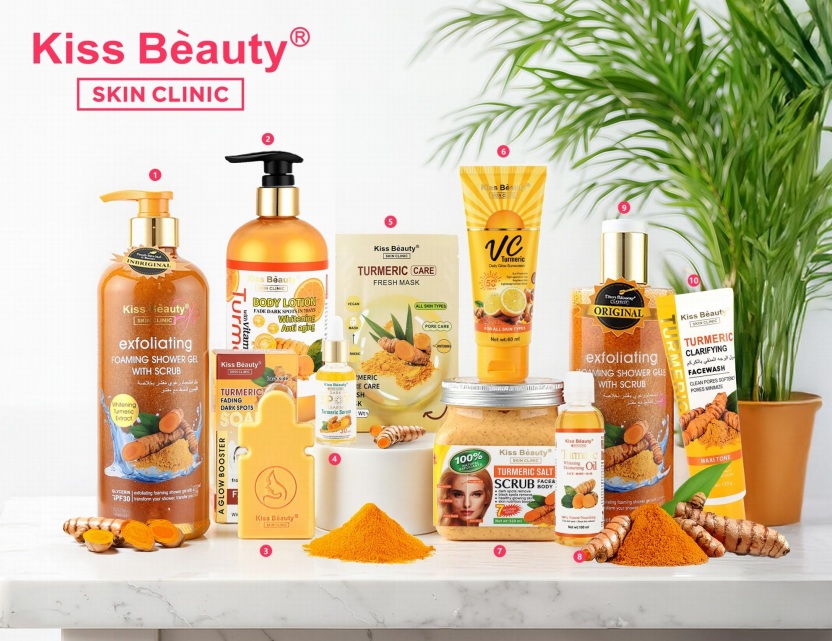
Raw Material Traceability and Quality Standards
A professional private label cosmetics manufacturer must maintain stringent standards of inspection for incoming materials.
- Certificate of Analysis (COA): Demanding batch-specific COAs of oils, surfactants, actives, and pigments prior to warehouse admission.
- Microbial and Heavy Metals Test: Testing incoming botanical extracts and actives based on quality specifications.
- Supplier Qualification: Having an exclusive list of suppliers for raw materials.
Mitigating Global Supply Chain Disruptions
Proactive supply chain management ensures that orders from the brands are fulfilled during peak sales periods.
- Buffer Inventory Management: Storing necessary raw materials and packaging parts according to production planning requirements.
- Dual Sourcing Strategies: Having alternate suppliers in place for critical raw materials and packaging parts.
- Realistic Production Lead Times: Creating realistic production schedules, including testing, filling, packaging, and shipping preparations.
Red Flags to Avoid During Factory Negotiations
A strong cosmetic manufacturer checklist should also identify warning signs that may indicate quality, communication, or production risks.
Ambiguous MOQs and Pricing Structures
Vague commercial terms often signal hidden operational costs down the line.
- Unclear MOQ Tiering: Suppliers refusing to provide clear Minimum Order Quantity breakdowns based on formula or component requirements.
- Vague Tooling Charges: Unannounced costs added later for custom molds, printing plates, or specialized packaging setups.
- Unrealistic Production Timelines: Promises of ultra-fast delivery without accounting for the required cosmetic sample approval process, stability checks, or compatibility testing.
Absence of In-House Quality Assurance
Factories without adequate internal QA capabilities may create additional compliance and batch stability risks.
- Lack of On-Site Testing Equipment: Limited R&D or QC capabilities for production release testing.
- Subcontracted Production: Unannounced transfer of production to unverified secondary facilities.
- Opaque Audit Access: Refusal to support factory reviews or third-party assessments should be considered carefully in a cosmetic factory audit checklist.
Technical & Service Advantages of Yingji Cosmetic
As an experienced cosmetic ODM manufacturer, Yingji Cosmetic supports practical sourcing requirements through formulation development, production coordination, and cosmetic manufacturing quality control.
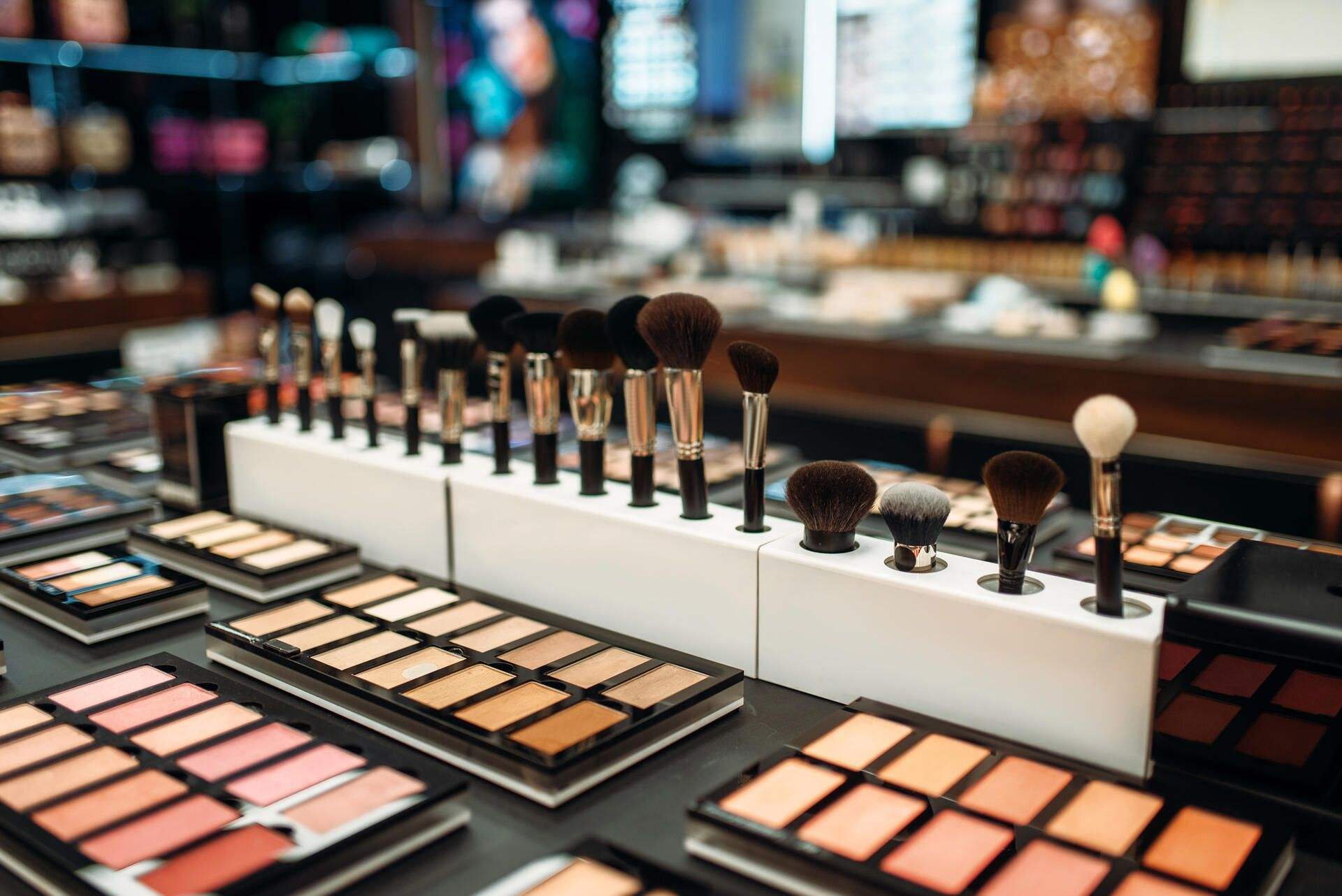
Advanced Production Infrastructure & Product Expertise
Our manufacturing capabilities support multiple beauty categories with a focus on stable production and repeatable quality.
- Complex Color Cosmetics: Manufacturing products such as Mascara, Liquid Foundation, and Eyeliner with attention to pigment dispersion and filling consistency.
- Nourishing Lip & Skincare Formulations: Supporting Lip Oil, Lip Gloss, Lip Balm, and skincare formulas through structured custom cosmetic formulation workflows.
- Specialized Hair & Body Care: Producing Sunscreen Cream, Body Scrub, Hair Oil, and other personal-care formats based on approved product specifications.
End-to-End OEM/ODM Support for Global Brands
We provide product managers and sourcing directors with a full-service manufacturing partnership designed to reduce development and sourcing friction.
- Formulation Tailoring: Customizing textures, sensory profiles, and ingredient systems for different market requirements.
- Container Compatibility Verification: Conducting formula packaging compatibility evaluations before commercial filling.
- Quality Systems: Supporting production through documented procedures, inspection workflows, and batch-level cosmetic manufacturing quality control.
Ready to Scale Your Cosmetic Line?
Building a resilient cosmetic brand requires a reliable cosmetic manufacturer committed to formulation development, quality control, and supply chain coordination. A structured cosmetic manufacturer evaluation checklist helps you choose confidently. This applies whether you need a cosmetic OEM manufacturer, cosmetic ODM manufacturer, cosmetic contract manufacturer, or private label cosmetics manufacturer.
تواصل مع شركة يينغجي لمستحضرات التجميل, a private label cosmetics manufacturer China, to request factory information, discuss custom cosmetic formulation, or arrange samples for your upcoming product launch.
أسئلة متكررة
Q: What are some items on the cosmetic manufacturer checklist?
A: It is important to have a cosmetic manufacturer checklist that includes information about certifications, factory inspections, R&D capabilities, quality control of cosmetic manufacturing, cosmetic batch uniformity, material traceability, minimum order quantities, lead times, and cosmetic formula packaging compatibility.
Q: How do I know which cosmetic manufacturer is trustworthy?
A: In determining how to pick a cosmetic manufacturer, consider its quality management processes, audit policies, sample development procedure, batch management, supply chain management, and its ability to scale its manufacturing process.
Q: Why is the cosmetic sample approval process important?
A: Cosmetic sample approval ensures there is an agreed standard in terms of the appearance, color, viscosity, fragrance, and performance of the cosmetic before full manufacturing starts.
Q: Why is formula packaging compatibility important before full-scale production?
A: A formula packaging compatibility test enables the identification of possible risks, including leakage, discoloration, deformation, or chemical reactions between the formula and package.